Many women today choose to start or grow their families later in life. Careers, relationships, financial planning, and personal readiness all play a part in when people decide to have children.
Pregnancy after 35 is increasingly common, and many women go on to have healthy pregnancies and healthy babies. At the same time, healthcare professionals may recommend closer observation and additional pregnancy monitoring scans during this stage.
This does not automatically mean something is wrong. In most cases, extra monitoring is simply used to keep track of pregnancy development more carefully and provide reassurance throughout the journey.
Why Is Pregnancy After 35 Considered Higher Risk?
The term “advanced maternal age” is often used for pregnancies over the age of 35. While the wording can sound worrying, it mainly reflects that certain pregnancy risks gradually increase with age.
These risks may include:
- Higher chance of gestational diabetes
- Increased blood pressure during pregnancy
- Greater likelihood of chromosomal conditions
- Increased chance of miscarriage
- Higher risk of complications during labour
- Greater possibility of needing a caesarean section
It is important to remember that many women over 35 experience completely healthy pregnancies without major complications.
What Are Pregnancy Monitoring Scans?
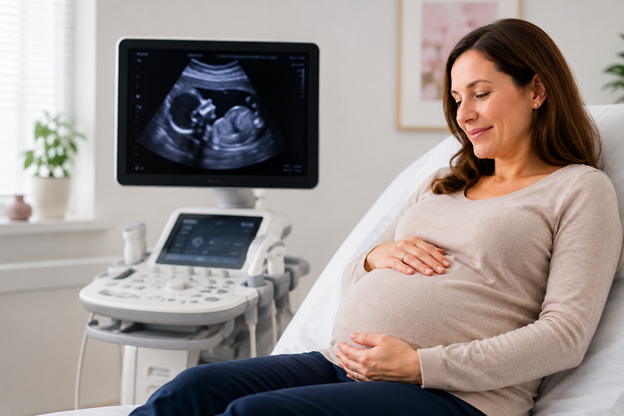
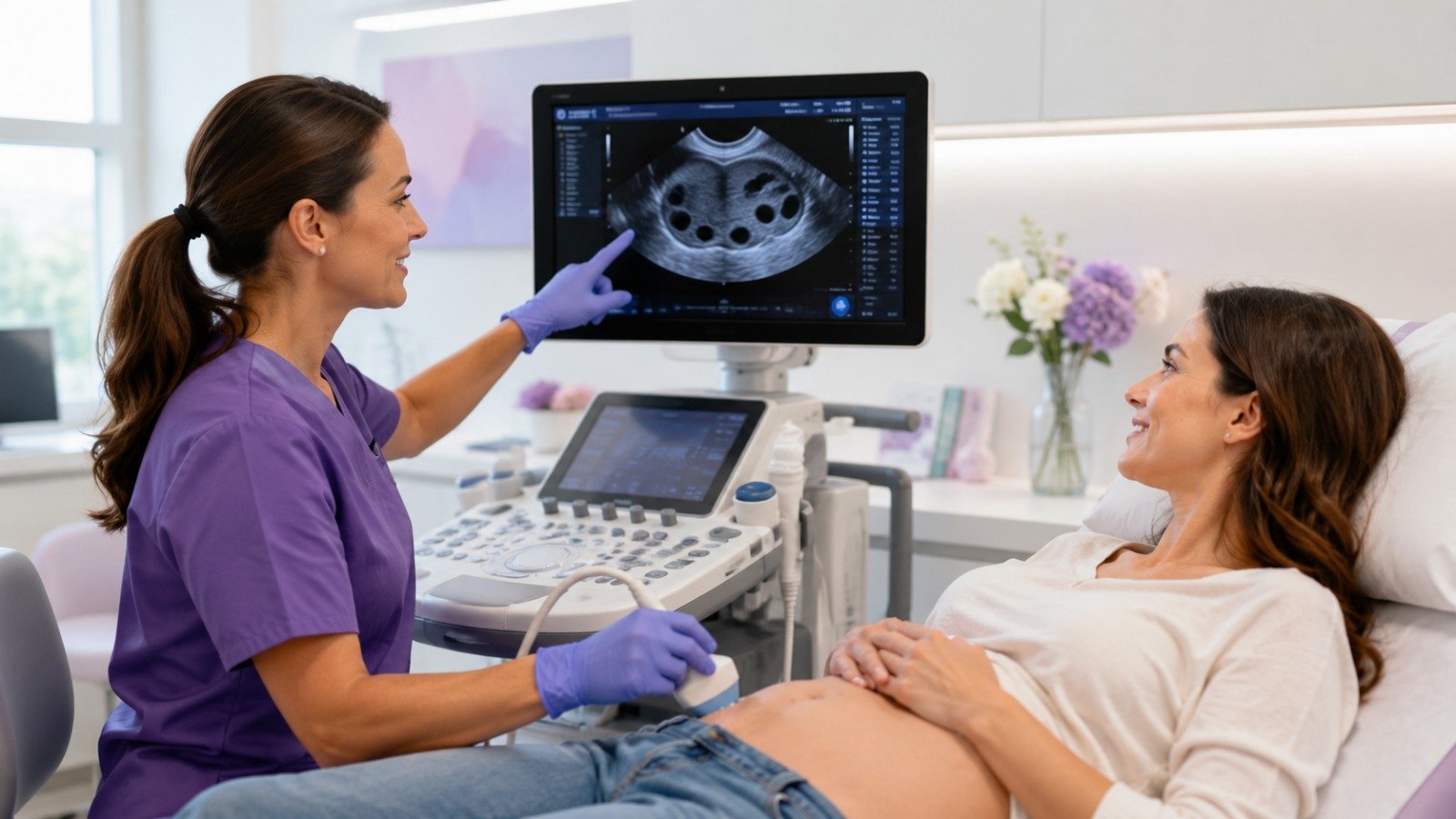
Pregnancy monitoring scans are ultrasound scans used throughout pregnancy to check how the baby is developing and how the pregnancy is progressing.
These scans may help monitor:
- Baby’s growth
- Baby’s movements and position
- Placenta location
- Amniotic fluid levels
- Blood flow
- Heartbeat and development
Depending on individual circumstances, some women may be offered more frequent scans than others.
Why Might Extra Monitoring Be Recommended After 35?
Healthcare providers often take a more cautious approach because certain pregnancy risks can increase gradually with maternal age.
Extra scans may be recommended to:
- Monitor baby’s growth more closely
- Detect possible complications early
- Check placental function
- Reassure parents throughout pregnancy
- Support safer pregnancy planning and delivery
For many women, these appointments provide peace of mind and help reduce anxiety during pregnancy.
Common Pregnancy Monitoring Scans During Pregnancy
Early Pregnancy Scan
An early scan may confirm:
- Pregnancy location
- Estimated due date
- Number of babies
- Early heartbeat
This can be especially reassuring for women who have experienced fertility concerns or previous pregnancy loss.
Nuchal Translucency Scan
This scan is usually performed during the first trimester and may help assess the risk of certain chromosomal conditions.
It is often combined with blood tests for additional screening information.
Growth Scans
Growth scans are commonly recommended later in pregnancy to monitor the baby’s size and development.
These scans may help identify:
- Slower growth
- Larger-than-expected growth
- Changes in fluid levels
- Placental concerns
Monitoring growth can help healthcare teams decide whether additional care or earlier delivery may be needed.
Doppler Scans
A Doppler scan checks blood flow between the placenta and baby.
This type of monitoring may be recommended if:
- Blood pressure is high
- Growth concerns arise
- There is a history of pregnancy complications
Are Extra Scans Always Necessary?
Not every woman over 35 will require extensive monitoring.
Recommendations depend on several factors, including:
- General health
- Previous pregnancies
- Blood pressure
- Medical history
- Fertility treatment history
- Pregnancy symptoms
Some women may only need standard routine care, while others may benefit from additional appointments and scans.
Healthy Pregnancy Tips After 35
While age is one factor, overall health also plays a major role during pregnancy.
Helpful steps may include:
- Attending regular antenatal appointments
- Following medical advice
- Eating a balanced diet
- Staying physically active when appropriate
- Managing stress
- Taking recommended supplements
- Monitoring symptoms carefully
Regular check-ups and pregnancy monitoring scans can support early identification of concerns if they arise.
When Should You Contact a Healthcare Professional?
You should seek medical advice if you notice:
- Reduced baby movements
- Bleeding
- Severe headaches
- Sudden swelling
- Severe abdominal pain
- Blurred vision
- Persistent dizziness
These symptoms should always be assessed during pregnancy, regardless of age.
Final Thoughts
Pregnancy after 35 is more common than ever, and many women experience smooth and healthy pregnancies.
Extra pregnancy monitoring scans are often recommended as a precaution to support both mother and baby throughout pregnancy. In many cases, the goal is reassurance, careful observation, and early detection of potential concerns rather than expecting problems to occur.
Understanding why monitoring may be suggested can help women feel more informed, confident, and supported during pregnancy.