Think about the last time you felt completely wiped out at the end of the day. Did you blame it on your endless to do list, a hectic week, or just getting older?
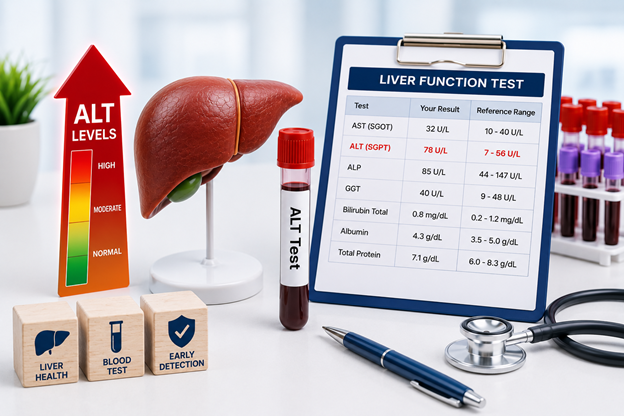
Most of us do exactly that. We ignore the persistent fatigue, the occasional bloating, or that stubborn heavy feeling, thinking we just need a long weekend to recharge. But then, you get a routine blood test back, and there it is a high ALT level staring right back at you.
Suddenly, a mild annoyance turns into a wave of anxiety. What is ALT? Why is it high? Is my liver trying to tell me something serious?
Before you let your mind wander into worst case scenarios, take a deep breath.
Discovering an elevated ALT level can definitely feel jarring, especially if you felt completely fine otherwise. But here is the secret: your liver is a silent hero. It processes everything you eat, drink, and do, but it rarely complains. When it is under stress, it doesn’t shout, it drops a subtle hint by leaking this specific enzyme into your bloodstream.
Think of a high ALT result not as a scary diagnosis, but as your body’s friendly dashboard warning light telling you it’s time for a quick pit stop.
So, what is your lifestyle actually doing to your liver behind the scenes? Let’s strip away the confusing medical jargon, expose the real everyday culprits behind high ALT, and find out exactly how you can take control and get your energy back.
What Is ALT?
Alanine transaminase (ALT) is an enzyme found mainly inside liver cells, where the body uses it as part of normal metabolic processes. Under healthy conditions, ALT stays mostly within the liver itself.
However, when liver cells become irritated, inflamed, or damaged, ALT may leak into the bloodstream. This is why elevated ALT levels are commonly associated with liver related concerns. Healthcare professionals often measure ALT as part of standard liver panels to assess cellular health and investigate possible inflammation or stress affecting the organ.
Why Do People Develop High ALT Levels?
One of the biggest misconceptions is that high ALT always means severe liver damage. In reality, ALT levels may rise for many different reasons, some temporary and others requiring further investigation.
Fatty Liver Disease
Fatty liver disease is one of the most common causes of elevated ALT levels. This occurs when excess fat builds up inside the liver cells. Risk factors may include obesity, diabetes, high cholesterol, a poor diet, low physical activity, or excess alcohol intake. What makes fatty liver disease challenging is that many people have no obvious symptoms in the early stages.
Alcohol Consumption
Regular or excessive alcohol use can place ongoing stress on the liver. Over time, this may contribute to liver inflammation and increased ALT levels. Some individuals may still feel generally healthy despite ongoing liver stress.
Certain Medications and Supplements
Some medications can affect liver enzymes temporarily. Examples may include:
- Pain relief medications
- Cholesterol lowering drugs
- Certain antibiotics
- Some herbal supplements
This is why doctors often ask detailed questions about medication and supplement use when reviewing abnormal blood results.
Viral Infections and Metabolic Health
Certain infections, including hepatitis viruses, may cause elevated ALT levels. Furthermore, modern lifestyle patterns can strongly influence liver health. People who experience obesity, insulin resistance, poor dietary habits, or metabolic syndrome may develop liver inflammation without realising it.
Can High ALT Levels Cause Symptoms?
In many cases, high ALT levels themselves do not cause symptoms directly. Instead, symptoms develop because of the underlying condition affecting the liver. This is one reason elevated ALT is often discovered unexpectedly during routine evaluations.
When symptoms do occur, they may include:
- Persistent fatigue and low energy levels
- Mild abdominal discomfort or bloating
- Nausea and reduced appetite
- Brain fog and unexplained tiredness
Because fatigue is such a common complaint, many people searching for a dedicated Fatigue Blood Test service may end up having liver function markers assessed as part of broader clinical investigations to rule out underlying physiological stress.
Why Mild Symptoms Are Often Ignored
Many liver related symptoms develop gradually and can easily be blamed on stress, poor sleep, or busy lifestyles. People often dismiss feeling constantly tired, experiencing poor concentration, or dealing with mild digestive discomfort.
The problem is that liver stress can continue quietly in the background for years before becoming more noticeable. This is why preventative Blood Testing Services can help identify cellular changes and enzyme leaks before more serious complications develop.
When Should You Get Checked?
There is no single rule that applies to everyone, but certain situations may make liver testing more important:
- Ongoing Fatigue: Persistent tiredness that does not improve with rest may justify further investigation if it continues for several weeks.
- Existing Health Conditions: People with diabetes, obesity, high cholesterol, or high blood pressure have an increased risk of metabolic liver issues and benefit from routine monitoring.
- Frequent Alcohol Consumption: Individuals who regularly drink alcohol heavily may wish to evaluate their liver function, even if they feel physically well.
- Abnormal Previous Blood Results: If previous tests have shown elevated ALT levels, follow-up testing helps determine whether the issue is temporary or persistent.
For individuals looking for a comprehensive overview of their metabolic, cardiovascular, and vital organ function, choosing a comprehensive health screening can provide a much broader understanding of overall health.
What Happens After a High ALT Result?
Doctors rarely make conclusions based on ALT alone. Instead, they usually assess other liver markers, medical history, symptoms, lifestyle habits, medication use, and alcohol intake.
Further investigations may sometimes include repeat blood testing, ultrasound imaging, additional liver investigations, or a structured lifestyle assessment. The severity and persistence of the ALT elevation always influence the next clinical steps.
Can High ALT Levels Improve?
In many situations, yes. The liver has a strong ability to recover when contributing factors are addressed early enough. Lifestyle modifications can significantly improve liver markers over time, including:
- Reducing alcohol intake
- Weight management and better nutrition
- Regular physical exercise
- Managing underlying diabetes or cholesterol levels
- Reviewing medications under proper medical supervision
However, professional medical advice remains crucial because the exact treatment path depends entirely on the verified underlying cause.
Why Early Testing Matters
One of the challenges with liver health is that many people wait until symptoms become severe before seeking medical advice. Unfortunately, liver-related problems may progress quietly for years without obvious warning signs.
Utilising routine private blood testing may help identify elevated liver markers earlier, allowing people to make lifestyle or medical changes before more significant complications develop. Early awareness provides more opportunities for prevention and long-term health management.
Final Thoughts
High ALT levels can understandably feel worrying when they appear on a blood test report. However, elevated ALT does not automatically mean serious liver disease. Many different factors can affect liver enzymes, including lifestyle habits, medications, metabolic health, and temporary inflammation.
For anyone experiencing ongoing fatigue, unexplained symptoms, or specific concerns about liver function, scheduling a Professional Medical Consultation is the most reliable next step to obtain clearer answers, personalized advice, and appropriate monitoring.