Have you ever felt constantly exhausted, bloated, or just “off,” but simply blamed it on a busy week or a bad night’s sleep?
You are definitely not alone. Most of us completely ignore these subtle warning signs until we get a routine blood test back, look down at the page, and spot a strange acronym: ALT. And if that number has an arrow pointing upward, a sudden wave of worry is completely natural.
But before you start stressing out, let’s take a deep breath.
Think of a raised ALT level not as a scary diagnosis, but as your body’s friendly dashboard warning light. Your liver is a silent hero. It works tirelessly behind the scenes to keep you energized and healthy, but it rarely complains until it genuinely needs a little extra attention.
So, what exactly is this mystery enzyme trying to tell you, and when is it time to take action? Let’s skip the confusing medical jargon, look at the honest facts, and discover how simple it really is to decode your test results and get your vitality right back on track.
Why the Liver Matters More Than Many People Realise
The liver performs hundreds of important functions inside the body every day. It helps with:
- Processing nutrients and filtering toxins
- Supporting digestion and regulating energy storage
- Breaking down medications and supporting metabolism
- Producing important proteins
Despite how important it is, liver health often receives little attention until symptoms or abnormal blood results appear. One reason liver problems can go unnoticed is because the liver can continue functioning even when under stress. Some people experience very few symptoms during the early stages of liver-related issues.
This is where undergoing Routine Blood Testing Services can become incredibly useful for identifying changes before more noticeable symptoms develop.
What Is Alanine Transaminase (ALT)?
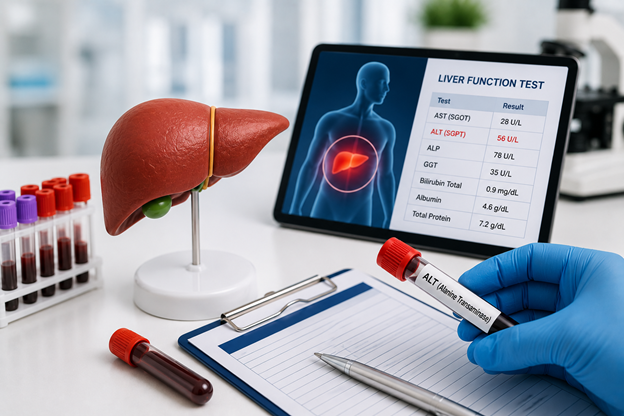
Alanine transaminase is an enzyme found mainly inside liver cells. Under normal conditions, ALT remains mostly within the liver itself. However, when liver cells become irritated, inflamed, or damaged, ALT can leak into the bloodstream.
This is why ALT is commonly measured during blood testing. Healthcare professionals often use ALT levels alongside other liver markers to assess how well the liver may be functioning.
It is important to understand that ALT is not a diagnosis on its own. Instead, it acts more like a signal that may suggest the liver is under stress or that further investigation could be needed.
Why ALT Levels Sometimes Increase
Many people assume high ALT automatically means severe liver disease, but the reality is often more complex. Several different factors may contribute to elevated ALT levels.
Fatty Liver Disease
One of the most common reasons for raised ALT is fatty liver disease. This occurs when excess fat builds up in liver cells. It can be linked to obesity, high cholesterol, diabetes, a poor diet, low physical activity, or alcohol consumption. What surprises many people is that fatty liver disease may develop silently for years without obvious symptoms.
Alcohol-Related Liver Stress
Excessive alcohol intake can place repeated strain on the liver over time. Even when someone feels generally well, alcohol related liver inflammation may still affect ALT levels.
Certain Medications
Some medications and supplements may temporarily affect liver enzymes. This may include pain relief medications, certain antibiotics, cholesterol medications, and some herbal supplements. Doctors often review medication history carefully when interpreting liver blood test results.
Viral Infections and Lifestyle
Infections such as hepatitis can affect liver cells and increase ALT levels. Furthermore, modern lifestyle habits can influence liver health more than many people realise. Poor sleep, high sugar intake, obesity, and a lack of exercise may all contribute to metabolic stress affecting the liver over time.
Symptoms That Sometimes Prompt Liver Testing
One challenge with liver related conditions is that symptoms are often vague rather than dramatic. Some people experience:
- Persistent fatigue
- Bloating and nausea
- Mild abdominal discomfort
- Reduced appetite
- Brain fog and unexplained tiredness
Others may have no symptoms at all. Because fatigue is such a common complaint, many people searching for a dedicated Fatigue Blood Test service may end up having liver markers checked as part of broader investigations. This is one reason routine blood testing can identify concerns that would otherwise remain unnoticed.
When Should You Get Checked?
Many people delay testing because they assume symptoms are caused by stress, poor sleep, or busy lifestyles. However, there are situations where liver health testing may be worth considering:
- Ongoing Fatigue Without Explanation: Persistent tiredness that continues despite rest should form part of a broader health assessment.
- Existing Health Conditions: People with conditions such as diabetes, obesity, high cholesterol, or high blood pressure may have an increased risk of metabolic-related liver changes.
- Frequent Alcohol Consumption: Regular consumption of large amounts of alcohol benefits from proactive liver function monitoring.
- Abnormal Previous Blood Results: Follow-up testing helps determine whether changes are temporary or persistent.
For peace of mind or targeted preventative care, choosing a Comprehensive Health Screening can assist in identifying underlying metabolic or functional developments early.
Does a Raised ALT Always Mean Serious Liver Disease?
Not necessarily. Mildly raised ALT levels can sometimes occur temporarily due to recent short-term illness, strenuous exercise, specific medications, alcohol intake, or minor temporary liver irritation.
In many cases, healthcare professionals repeat testing after a period of time before deciding whether further investigation is necessary. What matters most is the overall pattern, severity, and persistence of abnormal results.
Can Liver Health Improve?
In many situations, yes. The liver has a strong ability to recover when contributing factors are addressed early. Lifestyle changes that may help support liver health include:
- Reducing alcohol intake
- Improving nutrition and staying hydrated
- Managing weight and increasing physical activity appropriately
- Proactively managing diabetes or cholesterol levels
Professional medical guidance is important when interpreting abnormal liver markers or creating a long-term management plan.
Why Preventative Testing Matters
Many people wait until symptoms become severe before investigating their health. However, preventative testing may help identify issues earlier, especially when symptoms are subtle or easy to dismiss.
This is one reason more people are exploring reliable private blood testing services for ongoing health monitoring and reassurance. Understanding liver health early may allow individuals to make changes before more significant complications develop.
Final Thoughts
The connection between alanine transaminase and liver health is important because ALT levels can provide early insight into how the liver may be functioning. Although elevated ALT does not automatically indicate serious disease, persistent abnormalities should not be ignored.
For people experiencing unexplained fatigue, ongoing digestive symptoms, or concerns about liver function, scheduling a Professional Medical Consultation can help provide clearer answers, peace of mind, and the right path forward.