


Electrocardiogram (ECG) Test
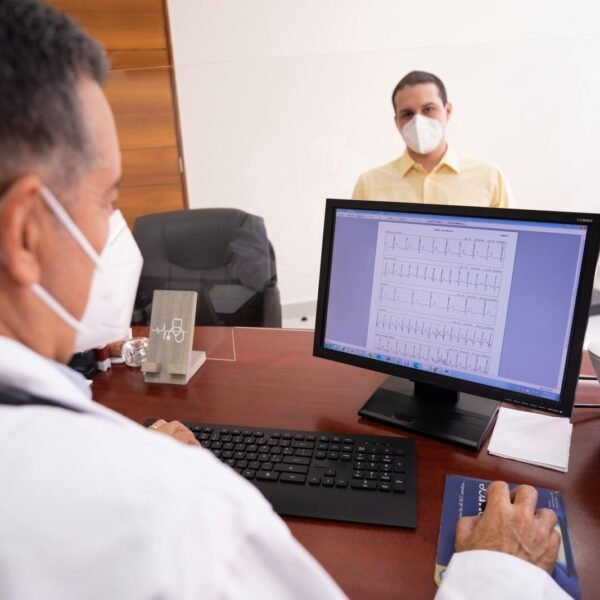
An Electrocardiogram (ECG) is a fast, safe, and non-invasive diagnostic test that measures the electrical activity of the heart. By capturing the signals that regulate each heartbeat, it enables healthcare professionals to assess heart rate, rhythm, and overall cardiac function. ECG testing is widely used to identify irregular heart rhythms, detect signs of heart strain, and reveal evidence of past heart damage.
How the Test Works
During the procedure, small adhesive electrodes are placed on the chest and connected to an ECG machine. These electrodes record the heart’s electrical signals, which are then displayed as waveforms for clinical evaluation. The test is completely painless and usually completed within a few minutes.
What an ECG Can Detect
An ECG can assist in diagnosing a variety of heart conditions, including:
- Irregular heart rhythms (arrhythmias)
- Abnormally fast or slow heart rates
- Signs of a current or previous heart attack
- Reduced blood flow to the heart
- Structural or electrical abnormalities
Who Should Consider an ECG
This test may be recommended for individuals experiencing:
- Chest pain or discomfort
- Palpitations or irregular heartbeat
- Dizziness or fainting spells
- Shortness of breath
- Unexplained fatigue
Accurate and Reliable Heart Assessment
Our ECG service delivers precise and efficient heart evaluations using advanced equipment and experienced medical professionals, supporting early diagnosis and effective management of cardiovascular conditions.



Reviews
There are no reviews yet.