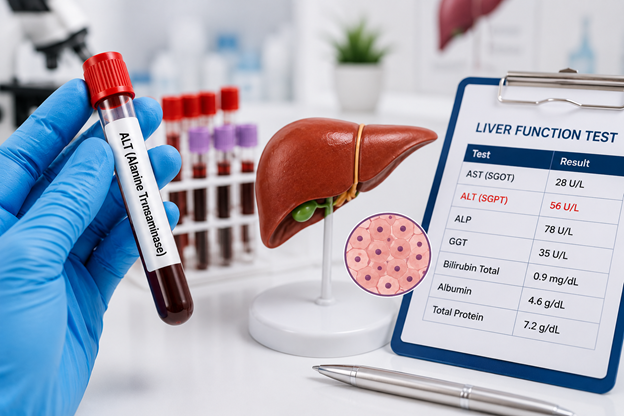
Have you ever opened a medical report, spotted a strange acronym like “ALT,” and instantly felt a small wave of panic?
You are definitely not alone! Most of us only discover the words Alanine Transaminase (ALT) when we are already feeling tired, or when a doctor orders a routine liver check. And because the word “liver” sounds incredibly serious, it’s completely natural to worry.
But before you jump to worst-case scenarios, take a deep breath.
Think of an elevated ALT level not as a scary diagnosis, but as your body’s friendly dashboard warning light. It’s simply telling you that your liver needs a little extra attention.
So, what exactly is this mystery enzyme, and why should you care? Let’s skip the confusing medical jargon, break down exactly what your body is trying to tell you, and discover how simple it really is to get your health right back on track.
Although ALT is strongly linked to liver health, the result alone does not automatically point to a serious condition. Like many blood test markers, it is one part of a much bigger picture. Understanding what ALT does and why it appears in blood tests can help make results feel less confusing and easier to discuss with a healthcare professional.
What Is Alanine Transaminase?
Alanine transaminase is an enzyme found mainly in the liver. Smaller amounts can also be found in muscles and other tissues throughout the body.
Enzymes help the body carry out important chemical processes. In the case of ALT, it plays a role in helping the body process amino acids and energy metabolism. Under normal circumstances, ALT mostly stays inside liver cells. However, when liver cells become irritated, inflamed, or damaged, ALT can leak into the bloodstream.
This is why ALT levels are commonly measured as part of comprehensive liver assessments.
Why Is ALT Included in Blood Tests?
ALT is one of the most commonly measured markers used to assess liver health. Healthcare professionals may request ALT testing for several reasons, including:
- Investigating chronic fatigue
- Monitoring liver health and function
- Checking unexplained symptoms
- Reviewing medication effects
- Assessing alcohol-related liver stress
- Monitoring ongoing medical conditions
Many people only discover elevated ALT levels during routine testing when they were not experiencing noticeable symptoms at all. This often surprises patients because liver-related problems do not always cause immediate warning signs. People looking for reliable Private Blood Test Services often undergo liver function testing as part of broader health screening.
What Is Considered a Normal ALT Level?
Normal ALT ranges can vary slightly depending on the laboratory performing the test. Healthcare professionals interpret results based on factors such as age, sex, medical history, current medications, and overall health.
A mildly raised ALT result does not always indicate serious liver disease. Temporary increases can sometimes happen due to lifestyle factors, strenuous exercise, illness, or temporary medication use. This is why doctors rarely rely on ALT alone when assessing liver health.
What Can Cause High ALT Levels?
Many different factors can affect alanine transaminase levels. Some causes are relatively temporary or mild, while others may require further medical investigation.
Fatty Liver Disease
One of the more common causes of raised ALT is fatty liver disease. This occurs when excess fat builds up in the liver. It may be linked to obesity, diabetes, high cholesterol, a poor diet, or alcohol use. In some cases, people have no symptoms at all and only discover the issue during blood testing.
Alcohol Consumption
Excessive alcohol intake can place stress on the liver and contribute to elevated ALT levels over time. The liver processes alcohol constantly, and repeated strain may lead to inflammation or liver damage in some individuals.
Certain Medications
Some medications may temporarily affect liver enzymes. Examples can include certain antibiotics, pain relief medications, cholesterol medications, and some supplements. This does not mean medication should be stopped without medical advice, but it explains why doctors sometimes repeat testing.
Viral Infections
Certain infections, including hepatitis viruses, may affect liver cells and raise ALT levels. Healthcare professionals may investigate further if liver enzyme levels remain significantly elevated or if symptoms suggest infection.
Intense Physical Exercise
Surprisingly, strenuous exercise can sometimes temporarily increase ALT levels due to muscle strain and tissue breakdown. This is one reason why context matters when interpreting results.
Can Low ALT Levels Be a Problem?
Low ALT levels are generally less concerning than high levels. In many cases, lower ALT results are considered normal and do not indicate illness. Healthcare professionals usually pay more attention to elevated ALT levels, especially when other liver markers are also abnormal.
Symptoms Sometimes Linked to Liver Problems
People often expect liver problems to cause immediate symptoms, but that is not always the case. Some individuals with elevated ALT may feel completely well. When symptoms do appear, they may include:
- Persistent fatigue
- Abdominal discomfort
- Nausea and reduced appetite
- Unexplained tiredness
- Yellowing of the skin or eyes (jaundice) in more serious cases
Because symptoms can be vague, many people searching for a dedicated Fatigue Blood Test service may unknowingly undergo liver function testing as part of broader health investigations to rule out underlying causes.
What Happens If ALT Levels Are High?
A raised ALT result does not automatically mean there is severe liver damage. Doctors often consider how high the level is, whether other liver markers are raised, medical history, lifestyle factors, and previous blood test results.
In some situations, repeat testing may be recommended after a few weeks or months. Further investigations may sometimes include additional blood tests, ultrasound scans, liver imaging, or a lifestyle assessment. The approach depends entirely on the individual situation. This is why undergoing a Comprehensive Health Screening can sometimes help identify underlying health concerns earlier and more effectively.
Can ALT Levels Improve?
In many cases, ALT levels can improve when underlying contributing factors are addressed. This may involve:
- Reducing alcohol intake
- Improving diet and weight management
- Reviewing medications under medical supervision
- Managing diabetes or cholesterol levels
- Increasing physical activity appropriately
The liver has a strong ability to recover in some situations, especially when issues are identified early. However, long-term liver damage can become more serious if underlying causes remain unmanaged over time.
Why Liver Health Often Goes Overlooked
One reason liver conditions sometimes go unnoticed is because the liver can continue functioning even when under stress. People may feel generally tired or unwell without immediately connecting symptoms to liver health.
Utilising structured routine blood test service can sometimes identify changes before noticeable symptoms develop, which allows earlier discussion and management. This is one reason healthcare professionals often recommend blood testing as part of wider health assessments rather than waiting for severe symptoms to appear.
Should You Worry About a Raised ALT Result?
Seeing an abnormal result online can naturally cause anxiety. However, ALT results need proper medical interpretation within the context of overall health. A mildly elevated result may sometimes reflect temporary factors rather than serious disease. At the same time, persistently abnormal liver markers should not be ignored.
The safest approach is discussing results with a qualified healthcare professional who can explain whether further investigation or monitoring is needed. People concerned about ongoing fatigue, abnormal blood results, or liver health may benefit from booking a Professional Medical Consultation for personalised advice.
Final Thoughts
Alanine transaminase is an important enzyme commonly measured during liver function blood testing. While elevated ALT levels may sometimes indicate liver stress or inflammation, the result alone does not provide a full diagnosis. Many factors can influence ALT levels, including lifestyle habits, medications, infections, and metabolic health.
Understanding what alanine transaminase means can help make blood test results feel less intimidating and encourage more informed conversations about liver health. For anyone experiencing ongoing fatigue, unexplained symptoms, or concerns about liver function, seeking professional medical advice and appropriate blood testing remains the most reliable next step.