Many women notice small changes in their bodies and are not quite sure what they mean. A late period here, a sudden breakout there, or unexpected weight gain. It is easy to brush these off as stress or lifestyle changes.
However, these can sometimes point to something more persistent, such as polycystic ovary syndrome. Recognising PCOS symptoms early can help you take control of your health before the condition begins to affect your daily life or long-term wellbeing.
In this guide, we will walk through the early signs of PCOS, what causes it, and when it is time to speak with a medical professional.
What is PCOS?
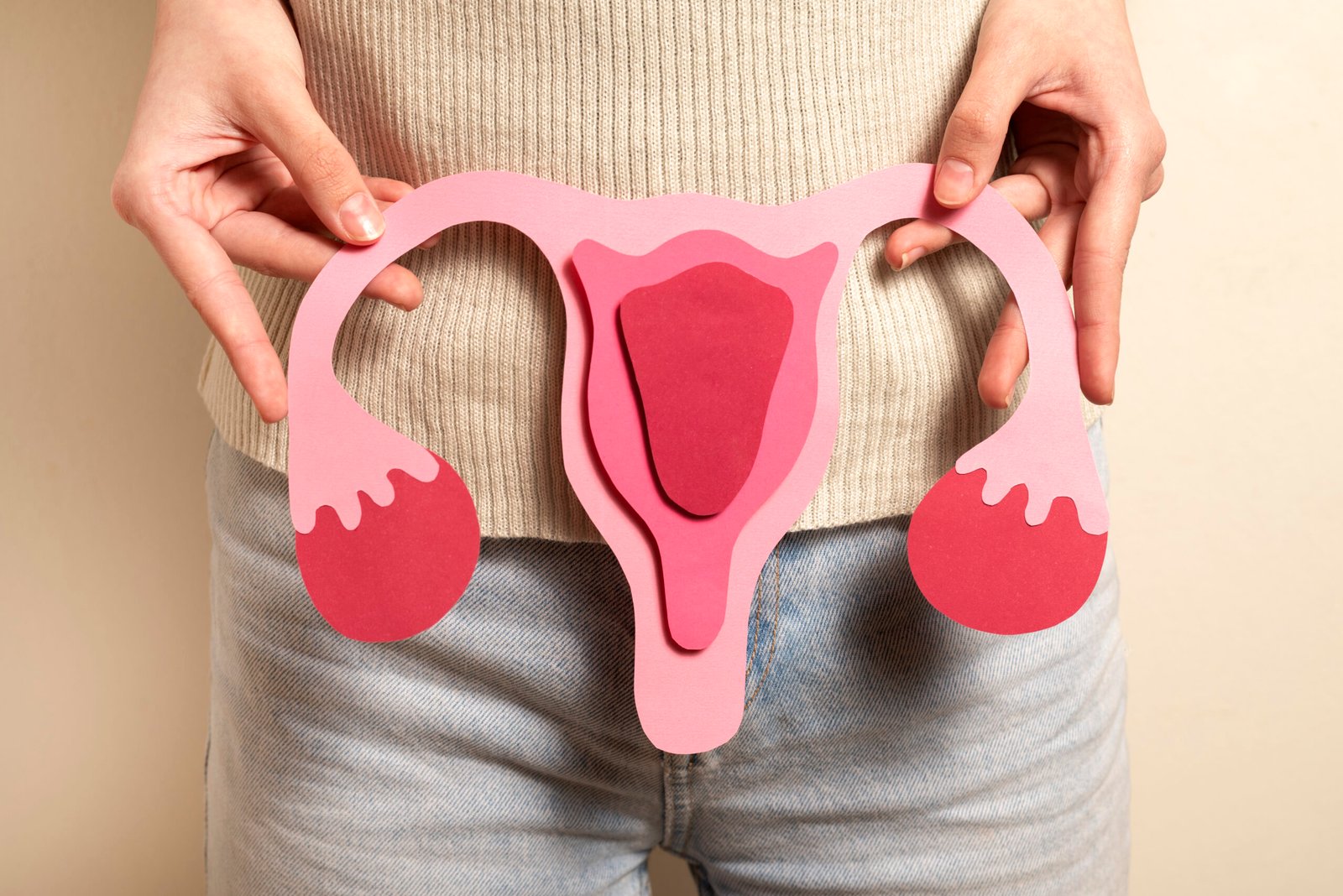
Polycystic ovary syndrome is a common hormonal condition that affects how the ovaries work. It can influence your menstrual cycle, fertility, hormone levels, and even your skin and hair.
PCOS is often linked to an imbalance of hormones, particularly higher levels of androgens.
Many women live with PCOS symptoms without realising what is behind them, which is why awareness matters.
Common PCOS Symptoms to Look Out For
PCOS does not look the same for everyone. Some women experience only a few symptoms, while others notice several changes at once.
1. Irregular Periods
One of the most common PCOS symptoms is an irregular menstrual cycle.
You might notice:
- Missed periods
- Very infrequent periods
- Unpredictable cycle lengths
If this is something you are experiencing, it may be worth discussing with a specialist through a gynaecology consultation.
2. Excess Hair Growth (Hirsutism)
Higher androgen levels can lead to unwanted hair growth, especially in areas such as:
- Face (chin or upper lip)
- Chest
- Lower abdomen
This is a common but often overlooked PCOS symptom.
3. Persistent Acne
Hormonal imbalance can lead to ongoing acne, even in adulthood. If your skin concerns are persistent, checking your hormone levels through a hormone blood test can help identify the cause.
4. Weight Gain or Difficulty Losing Weight
Many women with PCOS symptoms find it harder to maintain or lose weight. This is often linked to insulin resistance, which plays a key role in PCOS.
5. Thinning Hair or Hair Loss
Hair thinning on the scalp can also be linked to hormonal imbalance. If this is happening alongside other PCOS symptoms, it should not be ignored.
6. Darkened Skin Patches
Some women notice darker patches of skin, particularly around the neck or underarms. This may indicate insulin resistance, which is commonly associated with PCOS.
7. Difficulty Getting Pregnant
PCOS can affect ovulation, making it harder to conceive. If you are planning a pregnancy and noticing PCOS symptoms, early medical advice is important.
What Causes PCOS?
The exact cause of polycystic ovary syndrome is not fully understood, but several factors may contribute:
- Hormonal imbalance
- Insulin resistance
- Genetics
- Inflammation
These factors can affect each woman differently, which is why symptoms vary.
When Should You See a Doctor?
It is easy to ignore early signs, but it is important to seek advice if you notice:
- Irregular or absent periods
- Persistent acne
- Unusual hair growth or hair thinning
- Difficulty getting pregnant
- Sudden weight changes
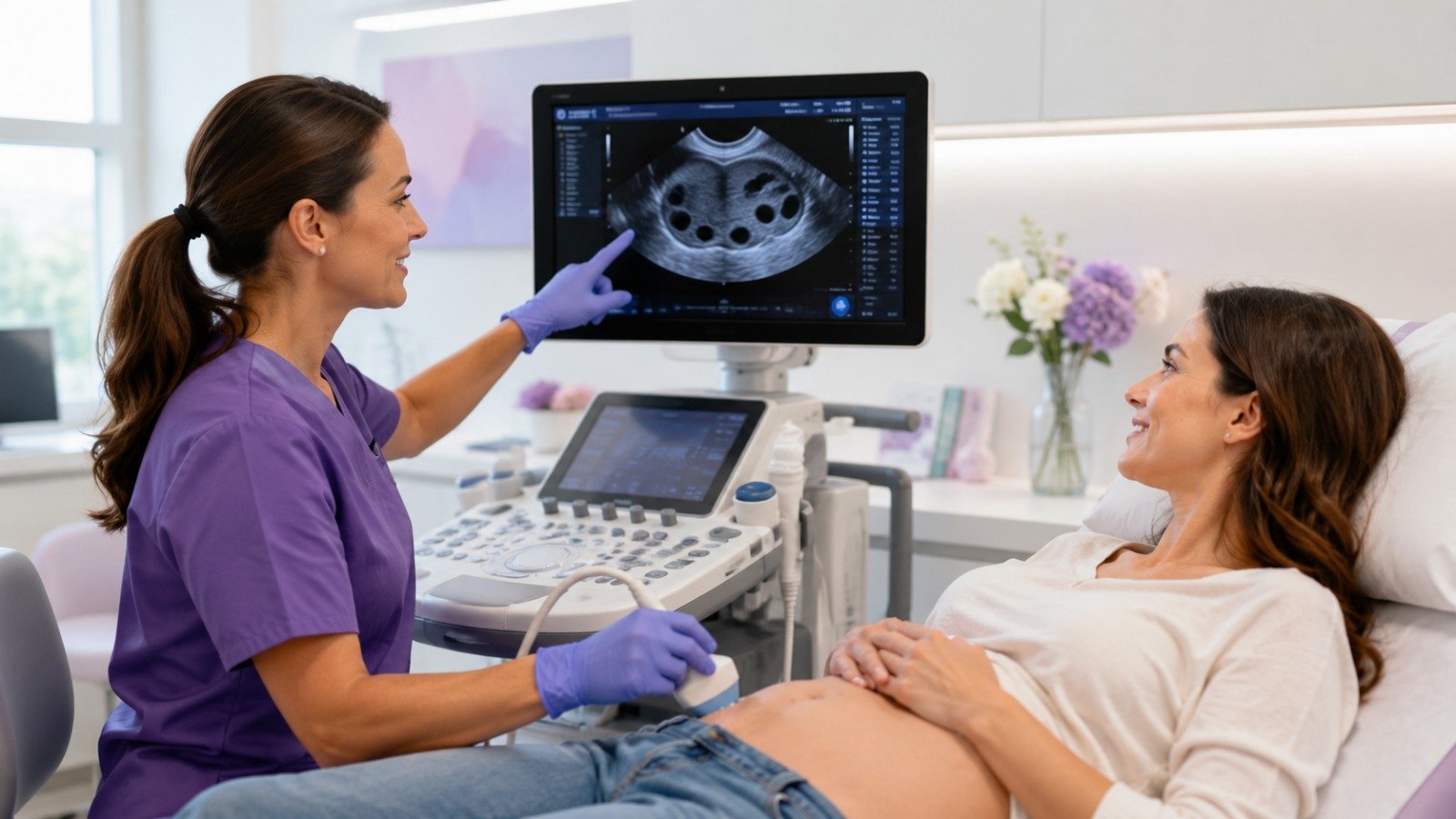
A proper assessment may include blood tests and imaging. You can arrange a ultrasound scan to check your ovaries if needed.
Managing PCOS Symptoms
There is no single cure for PCOS, but symptoms can be managed effectively.
Treatment may include:
- Lifestyle adjustments
- Hormonal treatment
- Skin and hair care support
- Fertility guidance
The right approach depends on your symptoms and health goals.
Why Early Awareness Matters
Ignoring PCOS symptoms can lead to long-term health concerns such as type 2 diabetes or fertility issues. Understanding what your body is telling you allows you to take action early and manage the condition more effectively.
How is PCOS Diagnosed?
Diagnosing PCOS symptoms usually involves:
- Reviewing your symptoms and medical history
- Blood tests to check hormone levels
- Ultrasound scans to examine the ovaries
Get the expert medical care you need in a private, supportive environment. From gynaecology consultations and hormone blood tests to ultrasound scans, we provide a comprehensive range of services all under one roof.