Pelvic pain is something many women experience at some point, yet it can be difficult to understand what is actually causing it. For some, it feels like a dull ache that comes and goes. For others, it can be sharp, sudden, and worrying.
Because the pelvic area contains several important organs, including the uterus, ovaries, bladder, and parts of the digestive system, the source of pain is not always obvious. Knowing what might be behind it can help you decide whether it is something to monitor or something that needs medical attention.
In this guide, we will look at the most common pelvic pain causes, what symptoms to watch for, and when it is time to speak to a doctor.
What Is Pelvic Pain?
Pelvic pain is any discomfort felt in the lower part of your abdomen, below the belly button and between the hips. It can vary in intensity and may be short-lived or ongoing.
Doctors usually describe it in two ways:
- Acute pelvic pain – comes on suddenly and may be severe
- Chronic pelvic pain – lasts for six months or longer
Understanding how your pain behaves is often the first clue in identifying the cause.
Common Pelvic Pain Causes in Women
There is no single explanation for pelvic pain. It can come from different systems in the body, which is why symptoms can vary so much.
1. Menstrual Cramps
This is one of the most common pelvic pain causes. Cramping before or during your period happens as the uterus contracts.
For most women, this is manageable. However, if the pain is severe or getting worse over time, it may point to another underlying condition.
2. Ovulation Pain (Mittelschmerz)
Some women feel a sharp or mild pain around the middle of their cycle when the ovary releases an egg. This usually lasts a few hours, sometimes up to a day, and often settles on its own.
3. Endometriosis
Endometriosis occurs when tissue similar to the lining of the uterus grows outside it. This can lead to ongoing pelvic pain, especially during periods. Other signs may include:
- Pain during or after sex
- Heavy periods
- Difficulty getting pregnant
If your pain feels persistent and linked to your cycle, it is worth discussing this with a specialist. You may benefit from an assessment through a dedicated gynaecology service such as
4. Pelvic Inflammatory Disease
PID is an infection of the reproductive organs, often caused by untreated sexually transmitted infections.
Symptoms may include:
- Lower abdominal pain
- Unusual vaginal discharge
- Fever
- Pain during sex or urination
This condition requires prompt treatment to prevent complications.
5. Ovarian Cysts
Ovarian cysts are fluid-filled sacs that can develop on the ovaries. Many are harmless and go away on their own.
However, larger cysts can cause:
- One-sided pelvic pain
- Bloating
- A feeling of pressure
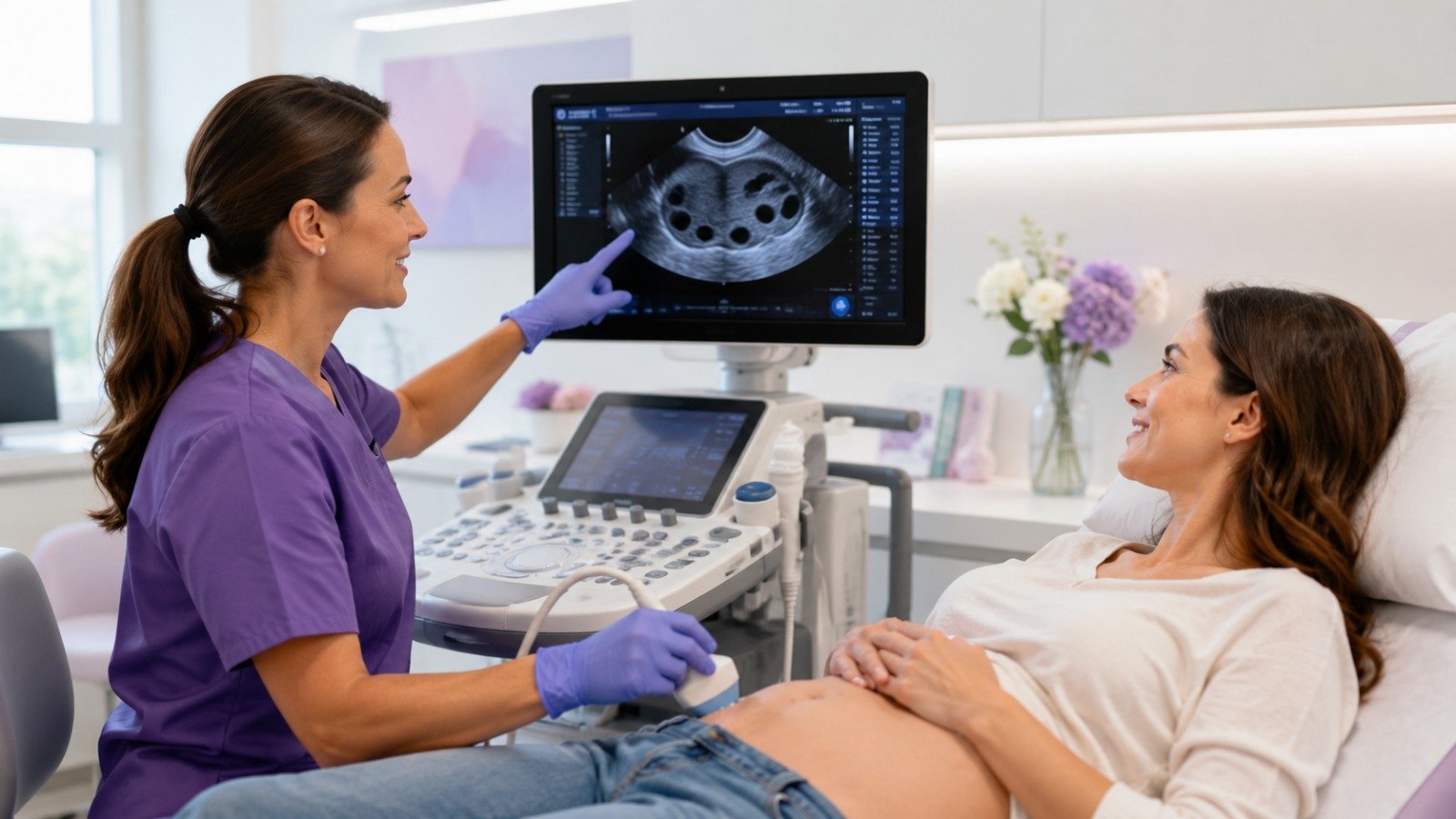
In some cases, imaging such as an ultrasound scan can help confirm the diagnosis.
6. Urinary Tract Issues
Bladder infections or urinary tract infections can also cause pain in the pelvic area.
You might notice:
- A burning sensation when urinating
- Frequent urge to pass urine
- Cloudy or strong-smelling urine
7. Digestive Problems
Conditions such as irritable bowel syndrome (IBS), constipation, or even trapped gas can lead to discomfort in the pelvic region.
If your pain is linked to eating habits or bowel movements, the digestive system may be involved.
8. Fibroids
Fibroids are non-cancerous growths in the uterus. While some women have no symptoms, others may experience:
- Pelvic pressure or pain
- Heavy or prolonged periods
- Lower back discomfort
When Should You Be Concerned About Pelvic Pain?
Not all pelvic pain is serious, but there are times when you should not ignore it.
Seek medical advice if you notice:
- Sudden, severe pain
- Pain that keeps coming back or does not improve
- Pain during pregnancy
- Unusual bleeding between periods
- Fever, nausea, or vomiting
- Pain during sex
These symptoms may indicate a condition that needs proper medical evaluation.
How Is the Cause Diagnosed?
Your doctor will usually begin by asking about your symptoms, menstrual cycle, and medical history.
Depending on what they suspect, they may recommend:
- A physical or pelvic examination
- Blood or urine tests
- Ultrasound imaging
- Further specialist referral if needed
Early diagnosis often makes treatment simpler and more effective.
Treatment Options
Treatment depends on the underlying cause. Some cases can be managed with simple measures, while others may need more targeted care.
Options may include:
- Pain relief medication
- Hormonal treatments
- Antibiotics for infections
- Lifestyle adjustments
- Specialist procedures in more complex cases
The key is identifying the cause rather than just managing the pain.
When to Seek Medical Advice
It is easy to dismiss pelvic pain, especially if it feels familiar or mild. However, ongoing discomfort should not be ignored.
If something feels different from your usual pattern, it is always better to have it checked. A timely consultation can provide reassurance or help catch a condition early.
Take Control of Your Health
Pelvic pain can affect your daily life, your comfort, and your peace of mind. You do not have to guess what is causing it or wait for it to get worse.
If you are experiencing ongoing or unexplained symptoms, speaking to a qualified doctor can give you clear answers and the right treatment plan.
At Medical Room, you can access private GP appointments, diagnostic scans, and specialist gynaecology services in a calm and confidential setting. Whether your symptoms are recent or something you have been dealing with for a while, support is available.
Book a consultation today: https://medicalroom.co.uk/
If you want, I can also optimise this further for featured snippets or add FAQ schema-style questions to boost rankings.
Final Thoughts
Pelvic pain isn’t always easy to figure out, and that’s completely normal. With so many possible pelvic pain causes, it’s not something you’re expected to diagnose on your own.
The key is to listen to your body. If something feels different, persistent, or just not right, don’t ignore it.Most of the time, it’s manageable. And when it’s not, help is there.