🔥
Blood Test Deals You Can't Miss!! Contact Us On WhatsApp
|✨
Exclusive Offers On Laser Hair Removal Treatments. Contact Us On WhatsApp
|📞
Book Your Ultrasound Scan Today — Fast, Professional & Affordable
|💉
IV Drip Therapy Now Available — Enquire Now
|🔥
Blood Test Deals You Can't Miss!! Contact Us On WhatsApp
|✨
Exclusive Offers On Laser Hair Removal Treatments. Contact Us On WhatsApp
|📞
Book Your Ultrasound Scan Today — Fast, Professional & Affordable
|💉
IV Drip Therapy Now Available — Enquire Now
|
If you have been trying for a baby without success, it is completely natural to feel frustrated, worried, or even overwhelmed. Many couples expect pregnancy to happen quickly, so when it takes longer than anticipated, questions and concerns often begin to arise.
The good news is that fertility challenges are more common than many people realise, and there are often steps that can be taken to understand what may be affecting your chances of conceiving.
One of the first investigations recommended for women experiencing difficulties conceiving is a fertility scan. This simple assessment can provide valuable information about your reproductive health and help identify potential issues that may be affecting fertility.
How Long Should It Normally Take to Get Pregnant?
Pregnancy does not always happen immediately, even for healthy couples.
Most couples who are actively trying to conceive will become pregnant within one year of regular unprotected intercourse.
In general:
Around 80% of couples conceive within 12 months
Many pregnancies occur within the first six months
Fertility can vary significantly from person to person
It is important to remember that taking several months to conceive is often completely normal.
When Does Difficulty Conceiving Become a Concern?
While it is normal for pregnancy to take time, there are situations where further investigation may be beneficial.
You should consider seeking advice if:
You are under 35 and have been trying for 12 months without success
You are over 35 and have been trying for six months without success
You have irregular periods
You have known gynaecological conditions
You have experienced previous fertility problems
Early assessment can help identify any underlying issues and avoid unnecessary delays.
Common Reasons Pregnancy May Be Taking Longer
There are many possible reasons why conception may not happen as quickly as expected.
Common factors include:
Irregular Ovulation
If ovulation does not occur regularly, it can make it more difficult to become pregnant.
Conditions such as polycystic ovary syndrome (PCOS) can affect ovulation patterns.
Hormonal Imbalances
Hormones play a key role in fertility. Problems affecting hormone levels may impact ovulation and reproductive health.
Structural Issues
Certain conditions affecting the uterus, fallopian tubes, or ovaries may reduce fertility.
Lifestyle Factors
Factors that may affect fertility include:
Smoking
Excess alcohol consumption
Obesity
Being significantly underweight
High stress levels
Male Fertility Factors
Difficulty conceiving is not always related to female fertility. Male fertility issues contribute to a significant proportion of fertility challenges.
Can Age Affect Fertility?
Yes.
Age is one of the most important factors affecting fertility.
Female fertility gradually declines with age, particularly after the age of 35. This is largely due to a reduction in both the number and quality of eggs.
Although many women conceive naturally in their late thirties and forties, it can sometimes take longer to become pregnant.
This is why fertility investigations are often recommended sooner for women over 35 who are experiencing difficulties conceiving.
What Is a Fertility Scan?
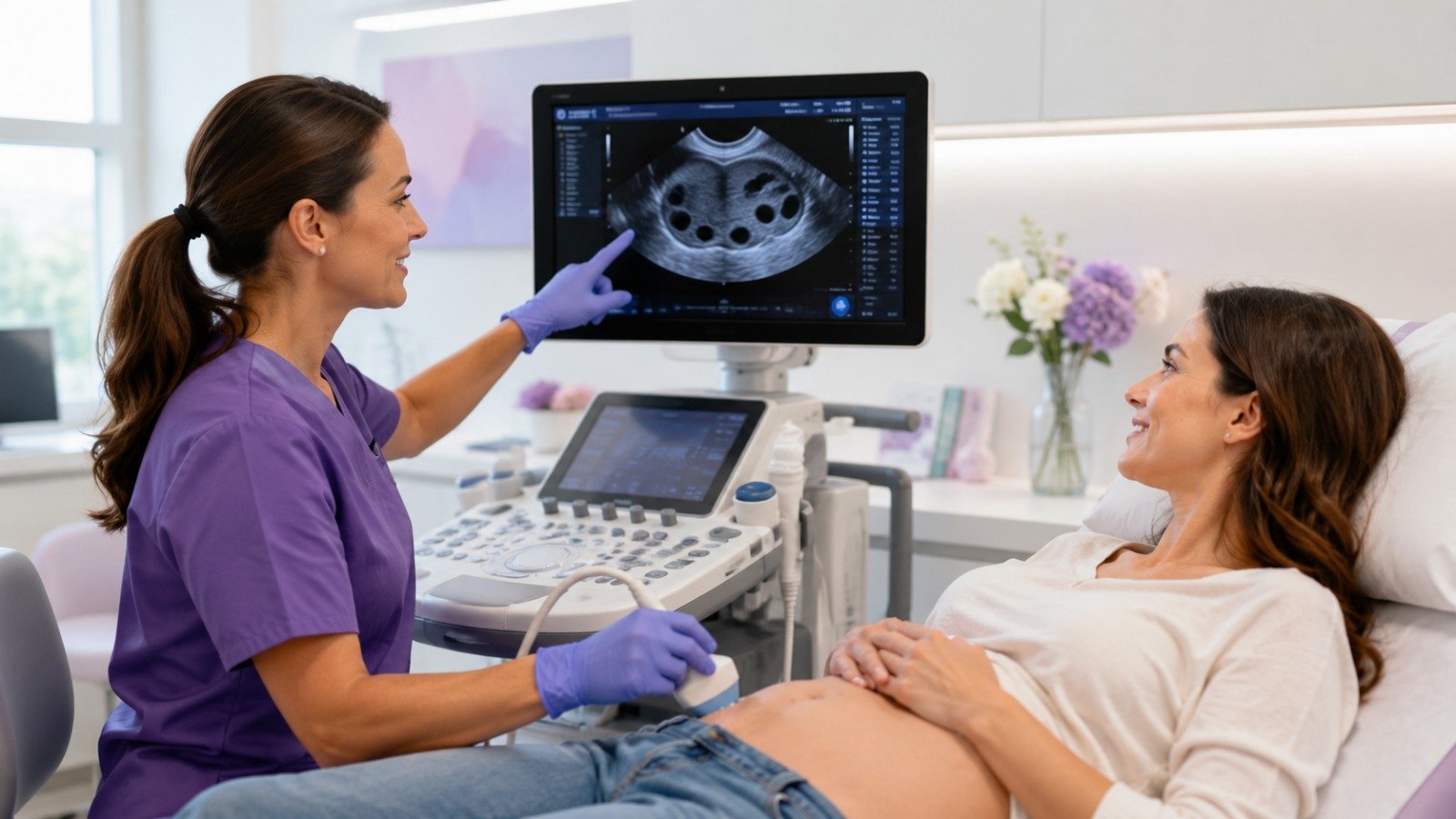
A fertility scan is an ultrasound examination used to assess aspects of a woman’s reproductive health.
The scan helps healthcare professionals evaluate structures involved in fertility, including the ovaries and uterus.
A fertility scan is often one of the first steps in investigating fertility concerns because it is non-invasive, straightforward, and provides valuable information.
What Can a Fertility Scan Check?
A fertility scan can provide important insights into reproductive health.
Depending on your circumstances, the scan may assess:
The ovaries
The uterus (womb)
The thickness of the uterine lining
Ovarian follicles
Structural abnormalities that may affect fertility
The information gathered during the scan helps healthcare professionals determine whether additional investigations or treatments may be beneficial.
Can a Fertility Scan Detect Problems With the Ovaries or Uterus?
Yes.
A fertility scan can help identify a range of conditions that may affect fertility.
These may include:
Ovarian Conditions
Polycystic ovaries
Ovarian cysts
Reduced ovarian reserve indicators
Uterine Conditions
Fibroids
Polyps
Structural abnormalities
Changes affecting the uterine lining
While a fertility scan cannot diagnose every fertility issue, it often provides valuable clues that help guide further assessment.
When Should You Consider Fertility Testing?
You may wish to consider fertility testing if:
You have been trying to conceive without success
Your menstrual cycles are irregular
You have known reproductive health conditions
You have experienced recurrent miscarriage
You are concerned about age-related fertility changes
Many people find that having answers helps reduce uncertainty and allows them to make informed decisions about their next steps.
What Happens During a Fertility Scan Appointment?
A fertility scan appointment is usually quick and straightforward.
During the appointment:
Your medical history and fertility concerns will be discussed.
An ultrasound scan will be performed.
The ovaries and uterus will be assessed.
Relevant measurements and observations will be recorded.
Findings will be explained by the clinician.
In many cases, a transvaginal ultrasound scan may be recommended because it provides detailed images of the reproductive organs.
If you would like to learn more about available private ultrasound scan services.
What Happens After a Fertility Assessment?
Your clinician may also recommend further blood tests to check hormone levels, thyroid function, or other health factors that can affect fertility.
The next steps depend on the findings of your assessment.
In some cases, results may be reassuring and no significant concerns are identified.
If further investigation is needed, your healthcare provider may recommend:
Hormone testing
Ovulation monitoring
Additional scans
Fertility specialist referral
Lifestyle changes to support fertility
A fertility assessment helps create a clearer picture of your reproductive health and allows appropriate treatment plans to be considered.
When Should You Seek Professional Fertility Advice?
It is worth speaking to a healthcare professional if:
You have been trying to conceive without success
You have irregular or absent periods
You have concerns about your fertility
You have a history of reproductive health conditions
You would like guidance before starting fertility treatment
Seeking advice early does not mean there is a serious problem. In many cases, early assessment simply provides reassurance and helps identify the most appropriate next steps.
Medical Room provides comprehensive fertility and women’s health support through its Gynaecology Services
Final Thoughts
If you have been trying for a baby without success, you are not alone. Fertility challenges affect many individuals and couples, and there are often effective ways to investigate and address potential causes.
A fertility scan can provide valuable information about your reproductive health, helping identify factors that may be affecting your chances of conception.
Understanding what is happening is often the first step towards finding the right support and moving forward with confidence.
Our new ultrasound specialists provide a range of Ultrasound Services (TBC), delivering accurate and reliable imaging to support diagnosis and patient care. They utilize modern ultrasound technology to ensure high quality results.
Focused on professionalism and patient comfort, our specialists are committed to clear communication and precise imaging, supporting effective clinical decision-making as services are finalized.
Syd
Quality Manager
Our Quality Manager is an HCPC-registered multidisciplinary scientist with over 15 years of experience across NHS and private healthcare. He specialises in quality governance, regulatory compliance, and service improvement, with extensive experience supporting ISO, UKAS, and CQC standards to ensure safe, high-quality clinical services.
Dr. Pooyan
GP consultation
Dr. Pooyan provides GP consultations, offering comprehensive primary care for a wide range of health concerns. He focuses on accurate diagnosis, preventive care, and effective treatment tailored to each patient’s needs.
With a patient-centered approach, Dr. Pooyan is committed to clear communication, continuity of care, and supporting long-term health and well-being.
Dr. Malgorzata
Gynaecology & Selected Ultrasound Scans
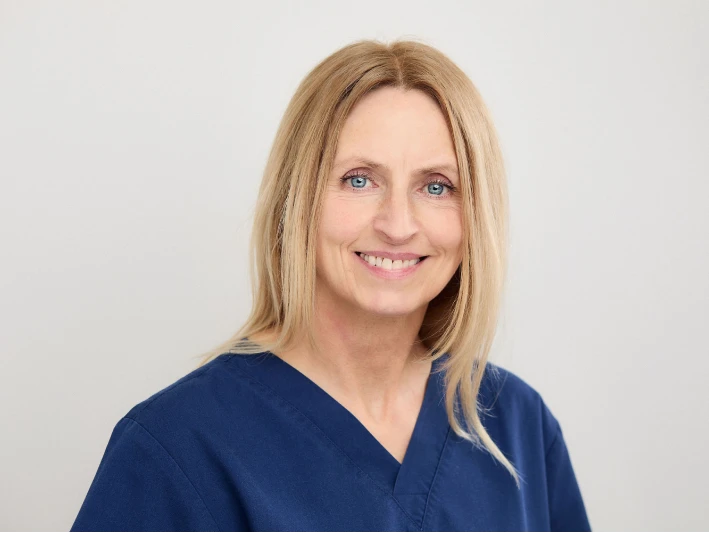
Dr. Małgorzata specializes in Gynaecology and Selected Ultrasound Scans, providing comprehensive care focused on accurate diagnosis and women’s health. She combines clinical expertise with advanced imaging techniques to support informed medical decisions.
With a patient-centered and compassionate approach, Dr. Małgorzata is committed to delivering personalized care, ensuring comfort, clarity, and trust throughout every stage of diagnosis and treatment.
Prof. Pawel
Gynaecology & Women’s Health
Prof. Paweł specializes in Gynaecology and Women’s Health, offering expert care across all stages of a woman’s life. His approach combines extensive clinical experience with evidence-based medicine to support both preventive and specialized gynecological care.
Dedicated to patient well-being, Prof. Paweł focuses on personalized treatment, clear communication, and compassionate care to promote long-term women’s health and quality of life.
Gosia
Phlebotomy & Blood Testing
Gosia specializes in Phlebotomy and Blood Testing, delivering accurate, safe, and professional sample collection with a patient-centered approach. She ensures each procedure is performed with care, precision, and attention to detail.
With a strong focus on comfort and reliability, Gosia is dedicated to supporting diagnostic accuracy while helping patients feel at ease throughout the testing process.
Kasia
Laser Hair Removal
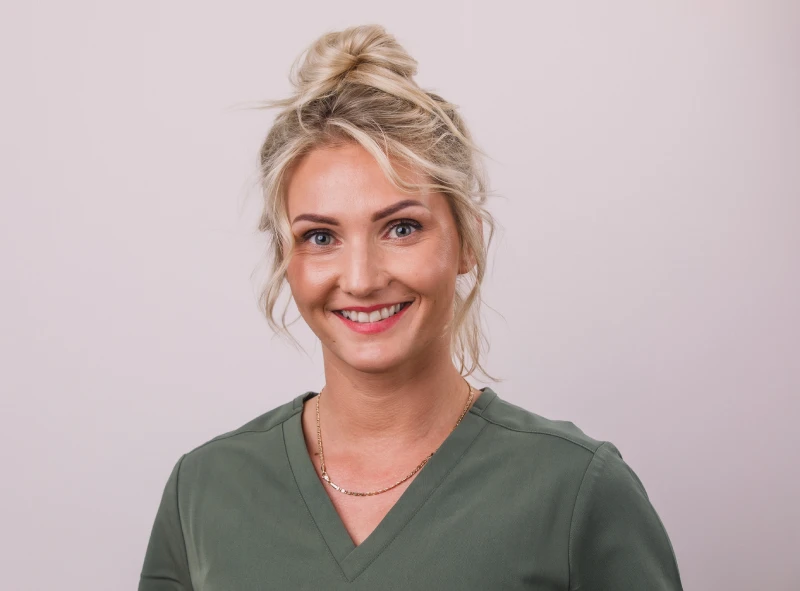
Kasia specializes in Laser Hair Removal, providing safe, effective, and advanced treatments tailored to each client’s needs. She is committed to delivering smooth, long-lasting results using modern laser technology.
With a focus on comfort and precision, Kasia ensures a professional and welcoming experience while helping clients feel confident and cared for throughout their treatment journey.
Tomasz
DIrector
Tomasz provides strategic leadership and oversight for the clinic, with a strong focus on clinical governance, operational excellence, and sustainable growth. They are committed to maintaining high standards of care, compliance, and patient experience across all services.
Lisa
Wellness, Diagnostics & Regenerative Medicine
Lisa specializes in Wellness, Diagnostics, and Regenerative Medicine, focusing on a holistic and personalized approach to health. She works with advanced diagnostic tools to identify underlying health concerns and guide effective treatment strategies.
With a strong emphasis on regenerative therapies and preventive care, Lisa is dedicated to helping individuals restore balance, improve vitality, and achieve long-term well-being through modern, science-based solutions.
Dr Danial
GP & Digital Health Enthusiast
Dr Danial is a young and ambitious General Practitioner with 13 years of clinical experience and 8 years as a GP. He specialises in home visits and the interpretation of diagnostic test results, providing patients with clear, personalised guidance based on their lab data and symptoms.
In addition to his clinical work, Dr Danial is actively involved in digital health projects, combining his medical expertise with a passion for innovation and technology. He plays a key role in helping modernise healthcare delivery and improve patient access through tech-driven solutions.
With a calm and compassionate approach, he ensures every patient feels heard, understood, and supported — whether at home or through remote consultations.
Dr. Torkan
Aesthetic Doctor & Dermatology Specialist
Dr Torkan is a highly experienced aesthetic doctor with over 12 years of clinical experience, holding a Postgraduate Diploma in Dermatology from Queen Mary University of London and a Medical Degree from Tabriz University in Iran.
She has worked extensively across both NHS and private sectors as a dermatologist before focusing her career on advanced aesthetic medicine. Her deep understanding of skin health, combined with her passion for non-surgical rejuvenation, makes her a trusted expert in treating signs of ageing and enhancing natural beauty.
Dr Torkan is committed to continuous professional development and staying at the forefront of aesthetic innovations. Her approach is deeply patient-centred — every treatment plan is tailored to the unique needs and goals of the individual, with safety, precision, and subtle enhancement as key priorities.
She is available for treatments at our London clinic, offering a wide range of advanced procedures including Botox, dermal fillers, Profhilo, Sculptra, Radiesse, polynucleotides, non-surgical rhinoplasty, and hyperhidrosis treatment.