“What if something is wrong with my baby? Why don’t I feel as excited as everyone says I should? Is it normal to worry this much?”
If you have found yourself asking questions like these during pregnancy, you are not alone.
For many women, the second trimester is often described as the “easier” stage of pregnancy. Morning sickness may have improved, energy levels may be returning, and the first scan is often already complete. Yet for some expectant mothers, this stage can bring a different challenge: anxiety.
As your baby grows and the reality of becoming a parent feels closer, it is natural to have concerns about your baby’s health and development. While occasional worry is a normal part of pregnancy, ongoing anxiety can affect your overall experience and wellbeing.
For some parents, a reassurance scan pregnancy appointment can provide valuable peace of mind by allowing them to see their baby, check important aspects of wellbeing, and feel more connected during pregnancy.
Is Pregnancy Anxiety Common?
Yes, pregnancy anxiety is very common.
Many women experience periods of worry or uncertainty during pregnancy, regardless of whether it is their first baby or not. Pregnancy brings significant physical, emotional, and hormonal changes, all of which can affect how you feel.
Concerns about your baby’s health, labour, parenthood, finances, and lifestyle changes are all common reasons why anxiety can develop.
Experiencing some anxiety does not mean you are doing anything wrong. It simply reflects the fact that you care deeply about your baby’s wellbeing.
Why Some Women Feel More Anxious During Pregnancy
There is no single reason why pregnancy anxiety occurs. Often, several factors contribute to feelings of worry.
Common causes include:
- Hormonal changes affecting mood and emotions
- Previous pregnancy complications or loss
- Fertility challenges before pregnancy
- Fear of labour and childbirth
- Concerns about the baby’s development
- Information overload from social media and online searches
- Existing anxiety or mental health conditions
Some women may also feel anxious because pregnancy feels unpredictable, particularly between routine appointments when there are fewer opportunities to check on the baby’s progress.
Common Concerns During the Second Trimester
Although the second trimester is often considered a more comfortable stage of pregnancy, many women still experience worries.
Some common concerns include:
- Is my baby growing normally?
- Should I be feeling more movements by now?
- What if I miss a warning sign?
- Is everything okay between NHS appointments?
- Could something be wrong without me knowing?
As your baby grows, you may become increasingly aware of every new sensation, which can sometimes increase anxiety rather than reduce it.
Can Anxiety Affect Your Pregnancy Experience?
Anxiety does not necessarily harm your pregnancy, but it can affect how you experience it.
Women experiencing ongoing anxiety may notice:
- Difficulty sleeping
- Constant worrying thoughts
- Trouble relaxing
- Reduced enjoyment of pregnancy
- Feeling overwhelmed by everyday situations
In some cases, anxiety can make it difficult to focus on the positive aspects of pregnancy and prepare confidently for parenthood.
This is why finding healthy ways to manage worries is important.
How Reassurance Scans May Provide Peace of Mind
For many expectant parents, a reassurance scan pregnancy appointment offers an opportunity to check on their baby’s wellbeing between routine maternity appointments.
Seeing your baby on screen can help answer some of the questions that may be causing anxiety.
A reassurance scan can help parents feel more confident by:
- Confirming the baby’s heartbeat
- Showing the baby moving and developing
- Providing updated images of the baby
- Offering reassurance about the pregnancy
While a reassurance scan is not a replacement for medical care, many parents find it helpful for reducing uncertainty and improving confidence during pregnancy. If you are considering a private ultrasound scan, you can learn more about the available pregnancy imaging services at the Medical Room.
What Can a Reassurance Scan Check?
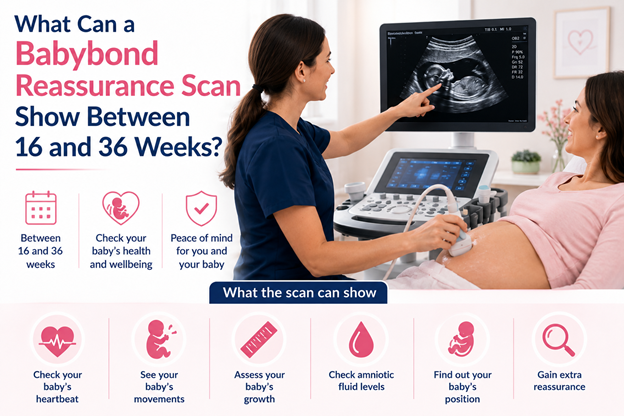
A reassurance scan focuses on your baby’s wellbeing and can provide valuable information during pregnancy.
Depending on your stage of pregnancy, the scan may assess:
- Your baby’s heartbeat
- Baby’s movements
- Position within the womb
- General development
- Amniotic fluid levels
The scan allows parents to see their baby in real time while receiving professional guidance from an experienced sonographer.
Can a Reassurance Scan Check Your Baby’s Heartbeat?
Yes.
One of the most reassuring parts of a reassurance scan is seeing your baby’s heartbeat.
The sonographer can confirm that a heartbeat is present and observe your baby’s activity during the examination.
For many parents, seeing their baby’s heartbeat can immediately ease worries and provide comfort.
Can You See Your Baby Moving During the Scan?
In many cases, yes.
During the scan you may be able to see your baby:
- Kicking
- Stretching
- Rolling
- Moving their arms and legs
- Changing position
Many parents find this experience both emotional and reassuring, especially if they have been worried about their baby’s wellbeing.
When Should You Consider Booking a Reassurance Scan?
A reassurance scan may be worth considering if:
- You feel anxious between routine appointments
- You would like additional reassurance about your baby’s wellbeing
- You have experienced a previous pregnancy loss
- You are concerned about your baby’s movements
- You simply want extra peace of mind during pregnancy
Many women choose a reassurance scan during the second trimester because it provides an opportunity to reconnect with their pregnancy and gain confidence moving forward.
What Happens During a Baby bond Reassurance Scan Appointment?
A Babybond reassurance scan appointment is usually straightforward and comfortable.
During the appointment:
- Your pregnancy details and concerns will be discussed.
- Ultrasound gel will be applied to your abdomen.
- The sonographer will perform the scan.
- Your baby’s heartbeat and movements will be assessed.
- Findings will be explained during the appointment.
Most appointments take around 15 to 30 minutes.
Many parents leave feeling reassured after seeing their baby and receiving professional guidance.
Other Ways to Manage Pregnancy Anxiety
While reassurance scans can help, they are only one part of supporting emotional wellbeing during pregnancy.
Other helpful strategies include:
- Speaking openly with your midwife or healthcare provider
- Sharing concerns with your partner, family, or friends
- Practising relaxation techniques
- Staying physically active when appropriate
- Limiting time spent reading worrying online stories
- Attending antenatal classes
It is important to remember that seeking support is a sign of strength, not weakness.
When Should You Contact a Healthcare Professional?
You should contact your healthcare provider if:
- Anxiety is affecting your daily life
- You struggle to sleep because of worry
- You experience panic attacks
- You have concerns about your baby’s movements
- You feel overwhelmed or unable to cope
Professional support is available, and you do not need to manage these feelings alone.
If you are concerned about your baby’s wellbeing, it is always better to seek advice rather than wait.
You can also learn more about pregnancy and women’s health support through our Gynaecology Services
If you are concerned about changes in your baby’s movements, you may also find our guide on reduced baby movements and reassurance scans helpful.
Final Thoughts
Pregnancy anxiety is more common than many people realise, particularly during the second trimester when there can be long gaps between routine appointments.
While some worry is natural, ongoing anxiety can affect your confidence and enjoyment of pregnancy. A reassurance scan pregnancy appointment may help provide peace of mind by allowing you to see your baby, check their heartbeat, and observe their movements.
At the Medical Room, we understand that every pregnancy journey is different. Whether you are seeking reassurance or simply want to feel more connected to your baby, our experienced team is here to support you with professional and compassionate care.