If Diabetes Runs in Your Family, What Does It Mean for You?
Hearing that diabetes “runs in the family” often creates a quiet concern. You may feel well, have no clear symptoms, and still wonder whether you should be doing something now rather than later.
This is where timing matters. Waiting for symptoms is not always the best approach, especially with conditions like diabetes that can develop gradually.
Why Family History Changes the Conversation
A family history does not mean you will develop diabetes, but it does increase your level of risk.
This is because genetics can influence how your body:
- Processes glucose
- Responds to insulin
- Stores and uses energy
Lifestyle still plays a major role, but knowing your background helps you make earlier and more informed decisions.
Diabetes Does Not Always Start With Clear Symptoms
One of the reasons early testing is recommended is that diabetes often develops quietly.
In the early stages, many people feel completely normal. Over time, subtle signs may begin to appear, such as:
- Feeling more tired than usual
- Increased thirst
- Frequent urination
- Slow healing of minor cuts
These changes can be easy to overlook or attribute to other factors. This is why relying only on symptoms can delay detection.
So, When Should You Consider Testing?
There is no single rule, but certain situations make testing more appropriate.
You may want to think about a diabetes blood test if:
- A close family member has diabetes
- You are in your 30s or 40s and have not been tested before
- You have gained weight over time without clear reason
- You have a sedentary lifestyle
- You are experiencing ongoing fatigue or low energy
Testing is not just about confirming a condition. It is about understanding where you currently stand.
What a Diabetes Blood Test Measures
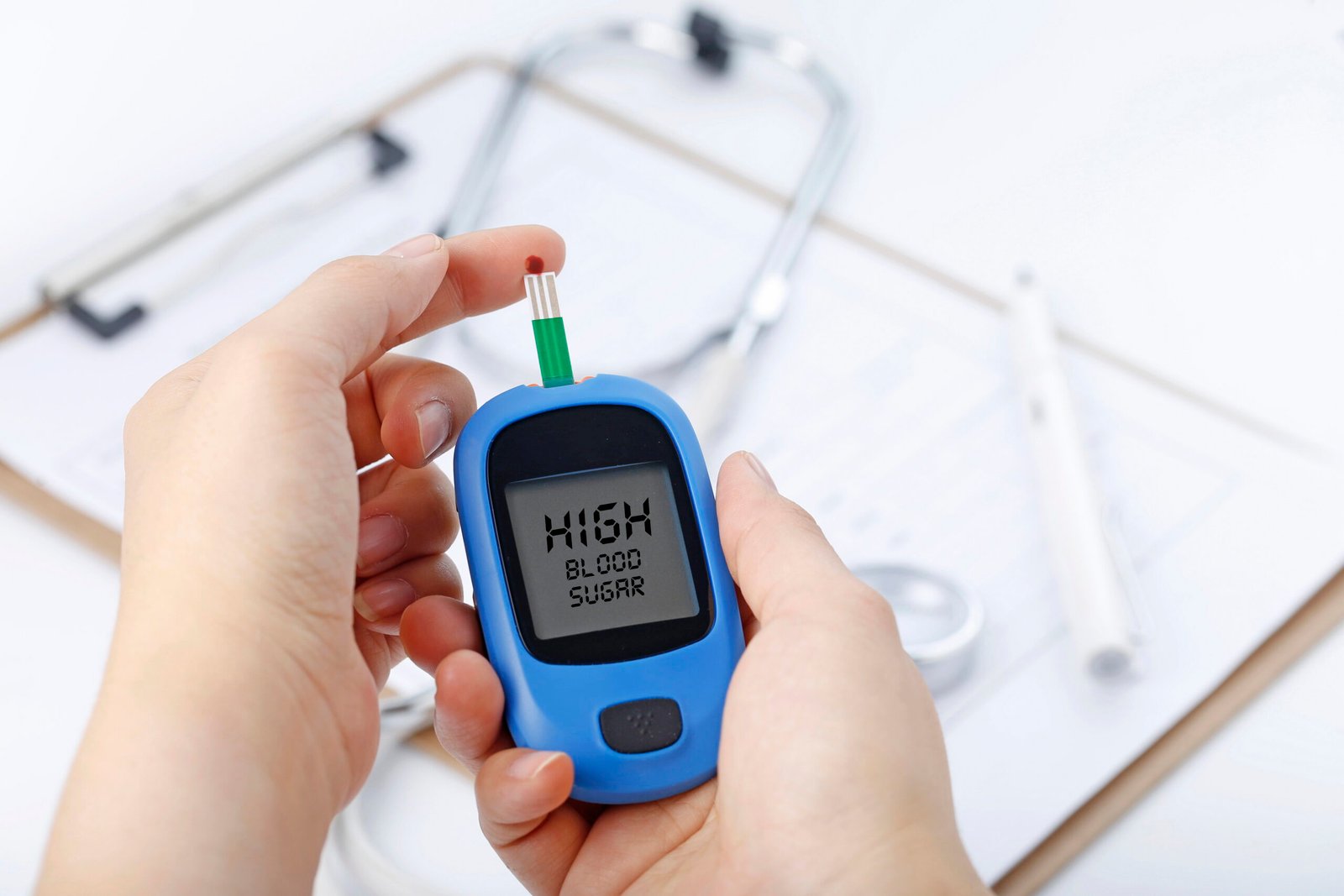
A blood test for diabetes looks at how your body handles glucose over time, not just at a single moment.
Common checks include:
- Blood glucose levels
- HbA1c (average blood sugar over several months)
These results can show whether your levels are within a normal range, slightly elevated, or at a level that requires attention.
A general blood test that includes metabolic and glucose markers can help assess this as part of a broader health review. Medical Room offers diagnostic blood testing that includes glucose-related checks alongside other health indicators, which is useful when assessing risk rather than reacting to symptoms.
Why Early Testing Makes a Difference
Catching changes early gives you more options.
If levels are slightly raised, it may be possible to:
- Adjust diet and lifestyle
- Improve activity levels
- Monitor changes over time
This stage is often where the most effective prevention happens.
If testing is delayed, changes may progress without being noticed.
Lifestyle Still Matters, Even With Family Risk
Genetics may increase risk, but lifestyle influences how that risk develops.
Factors such as:
- Diet quality
- Physical activity
- Weight management
- Sleep patterns
all play a role in how the body handles glucose.
Testing helps you see how these factors are affecting you personally, rather than relying on general advice.
Avoiding the “Wait and See” Approach
A common mistake is waiting until symptoms become obvious.
With diabetes, this approach can mean missing the early stage where changes are easier to manage.
Instead of waiting, a simple check can provide reassurance or highlight something that needs attention.
Clinics such as Medical Room offer blood testing with clinical interpretation, helping you understand what your results mean and whether any follow-up is needed.
A Practical Way to Think About It
Rather than seeing testing as something you do when something is wrong, it can be useful to view it as a checkpoint.
If you have a family history, testing becomes part of staying informed about your health rather than reacting to it.
Final Thoughts
Having a family history of diabetes does not mean the condition is inevitable. It does, however, mean that awareness matters.
A diabetes blood test can help you understand your current health status, even if you feel well. That knowledge allows you to take action early, rather than waiting for changes to become noticeable.