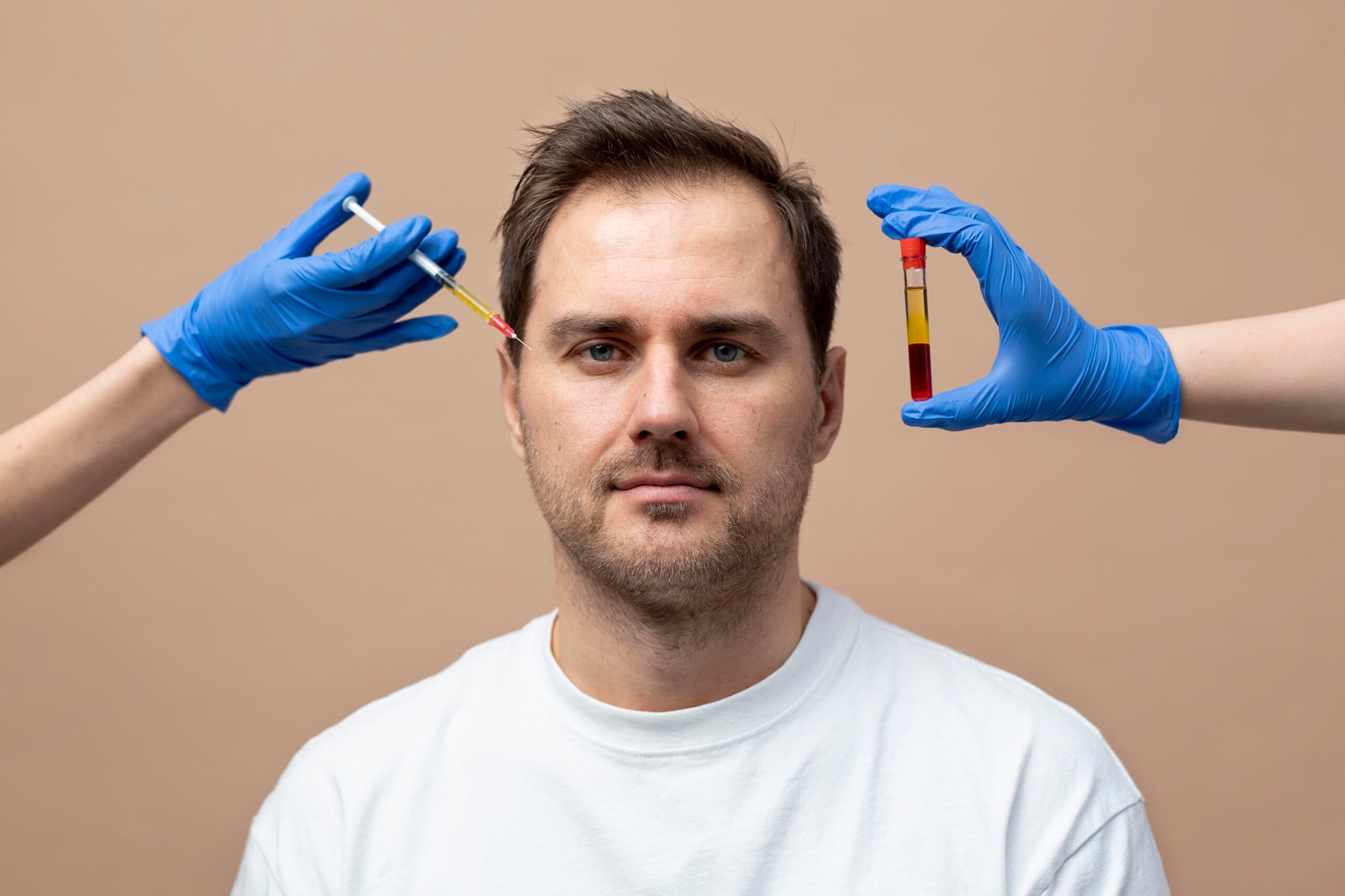
When Hair Starts Changing Without Warning
Hair does not usually change overnight. It becomes noticeable when small shifts build up. A thinner ponytail, more strands on the floor, or a widening parting are often the first signs.
At that point, most people look for external solutions. New shampoos, oils, or treatments. But hair loss is often not just a surface issue. It can reflect what is happening internally.
This is where a blood test for hair loss becomes relevant. It helps move beyond guessing and towards understanding.
Hair Growth Depends on More Than the Scalp
Hair follicles are active structures. They rely on nutrients, oxygen, and hormonal balance to function properly.
If any of these are disrupted, the hair cycle may shift. Growth slows, shedding increases, and regrowth becomes weaker.
This is why hair thinning can sometimes be the first visible sign of an internal imbalance rather than a scalp problem.
Looking at Patterns Instead of Isolated Symptoms
Before considering tests, it helps to look at how hair loss is appearing.
For example:
- Is the shedding sudden or gradual?
- Are there other symptoms, such as fatigue or weight changes?
- Has anything changed recently, such as diet, stress, or health?
These patterns help guide which tests may be useful rather than checking everything without direction.
Blood Tests That May Help Identify the Cause
Different tests provide different pieces of the picture. The aim is to identify whether a specific imbalance is affecting hair growth.
Iron and Ferritin Levels
Iron supports oxygen delivery in the body. Low levels can lead to increased shedding and slower regrowth.
Hair may appear thinner overall rather than falling out in patches.
Thyroid Function Tests
The thyroid plays a role in regulating metabolism and cell activity.
When it is not functioning as expected, hair may become dry, brittle, or start thinning. This is often accompanied by other changes, such as fluctuations in weight or energy levels.
Vitamin B12 and Folate
These nutrients are involved in cell production and overall health.
Low levels may contribute to fatigue and weaker hair growth, even if other symptoms are not obvious at first.
Vitamin D Levels
Vitamin D is often overlooked, yet it is commonly low in the UK.
It plays a role in maintaining healthy hair follicles and overall well-being. When levels drop, hair quality may change gradually.
Hormonal Profile
Hormones influence hair growth patterns, especially in women.
Imbalances can lead to thinning around the scalp or changes in hair texture. If hair loss appears alongside irregular cycles or other hormonal symptoms, this may be worth checking.
A blood test service that looks at multiple health markers can bring these factors together rather than focusing on one in isolation. Medical Room offers a range of diagnostic blood tests, including hormone testing, thyroid checks, vitamin levels, and general health profiles, which can be relevant when investigating hair concerns.
Why Testing Is Often More Useful Than Guessing
Hair loss can have several overlapping causes. Without testing, it is easy to assume the wrong one.
For example:
- Taking iron supplements without knowing your levels
- Treating hair loss externally when the issue is internal
- Overlooking a thyroid or hormonal imbalance
Testing provides a clearer direction. It helps identify whether a deficiency or imbalance is present, rather than relying on trial and error.
When It May Be Time to Check
Hair shedding is normal to a certain extent. The concern begins when the pattern changes noticeably.
You may consider testing if:
- Hair loss continues over several weeks
- The thickness of your hair has reduced
- Shedding feels heavier than usual
- Other symptoms are present alongside hair changes
In these situations, a blood test for hair loss can help identify whether something underlying is contributing to the change.
What Happens After You Get Results
Results are only useful when they are understood in context.
Levels that are slightly outside the usual range may still be relevant depending on your symptoms. This is why interpretation matters.
Clinics such as Medical Room provide medical guidance alongside testing, helping you connect results with how you feel rather than looking at numbers alone.
A More Practical Way to Approach Hair Loss
Instead of focusing only on the hair itself, it can be helpful to think of hair as an indicator.
When something changes internally, hair often reflects it. Addressing the underlying cause tends to be more effective than trying multiple external treatments without direction.
Final Thoughts
Hair thinning or hair loss can feel frustrating, especially when the cause is unclear.A blood test for hair loss offers a way to understand what may be influencing these changes. Whether the issue relates to iron, vitamins, thyroid function, or hormones, identifying the cause is the first step towards improvement.