
Sexually Transmitted Infections are more common than many people realise, yet the symptoms are often misunderstood or ignored. In some cases, women may not notice any signs at all, which makes regular testing even more important.
Recognising STI symptoms women experience early can help prevent complications and protect long-term health. This guide explains what to look out for, when to get tested, and how to seek the right care.
Symptoms can vary depending on the type of infection, but there are several warning signs that should not be ignored.
Changes in colour, smell, or consistency of discharge may indicate an infection such as bacterial vaginosis, chlamydia, or gonorrhoea.
If you notice persistent changes, it is worth considering a professional check. You can explore your options through our gynaecology services for a full assessment.
A burning or stinging sensation when passing urine is often linked to infections like chlamydia or gonorrhoea. While it can sometimes be mistaken for a urinary tract infection, it should not be ignored.
Ongoing discomfort in the pelvic area may suggest a more serious issue, such as pelvic inflammatory disease (PID), which can develop if STIs are left untreated.
Unexpected bleeding outside your normal menstrual cycle can be a sign of infection. This symptom is often overlooked but should always be checked.
Discomfort or pain during intercourse may point to inflammation or infection in the reproductive organs.
Visible changes around the genital area, such as sores or blisters, can be linked to infections like herpes or syphilis.
Yes, and this is one of the biggest concerns.
Many women with STIs experience no symptoms at all. Conditions such as chlamydia often go unnoticed but can still cause long-term complications, including fertility issues.
This is why regular testing is essential, even if you feel completely well.
You should consider testing if:
If you are unsure, a simple consultation can help you decide the next step. STI blood testing services provide confidential and reliable results to identify potential risks early and take appropriate steps for treatment and prevention.
Why Early Detection Matters
Ignoring symptoms or delaying testing can lead to more serious health problems. Some untreated STIs may result in:
Early diagnosis allows for simple and effective treatment, often with minimal disruption to your daily life.
Many people feel anxious about getting tested, but the process is usually quick and straightforward.
Depending on your symptoms, testing may include:
Clinics focus on privacy and comfort, so you can feel at ease throughout the process. If needed, your clinician may also recommend a broader check through a private GP services.
While testing is important, prevention also plays a key role.
Here are a few simple steps you can take:
Taking small, consistent steps can make a significant difference to your overall wellbeing.
It is always better to seek advice early rather than wait for symptoms to worsen.
You should book an appointment if:
Prompt care gives you clarity and peace of mind.
Your health should never be left to uncertainty. If you are experiencing symptoms or simply want reassurance, getting tested is a responsible and positive step. At Medical Room, we offer discreet, professional support tailored to your needs. Whether you need advice, testing, or treatment, our team is here to help.
Paying attention to STI symptoms women experience is not about worry, it is about awareness. Many symptoms are mild or easy to overlook, and some infections show no signs at all. That is why listening to your body and acting early makes a real difference.
If something feels unusual, do not ignore it or wait for it to pass. A simple test can give you clear answers and, if needed, early treatment can prevent more serious health concerns later on.
Looking after your sexual health is a normal part of overall wellbeing. With the right support and timely care, you can stay informed, protected, and confident about your health.
Medical room provides top-quality services and the ability to compare your tests over time

Medical Room offers a variety of diagnostic blood tests, available at home or in-clinic with professional nurses. trusted by over 5000 clients per month.
Sign up for our newsletter to stay informed about the latest updates, & exclusive offers

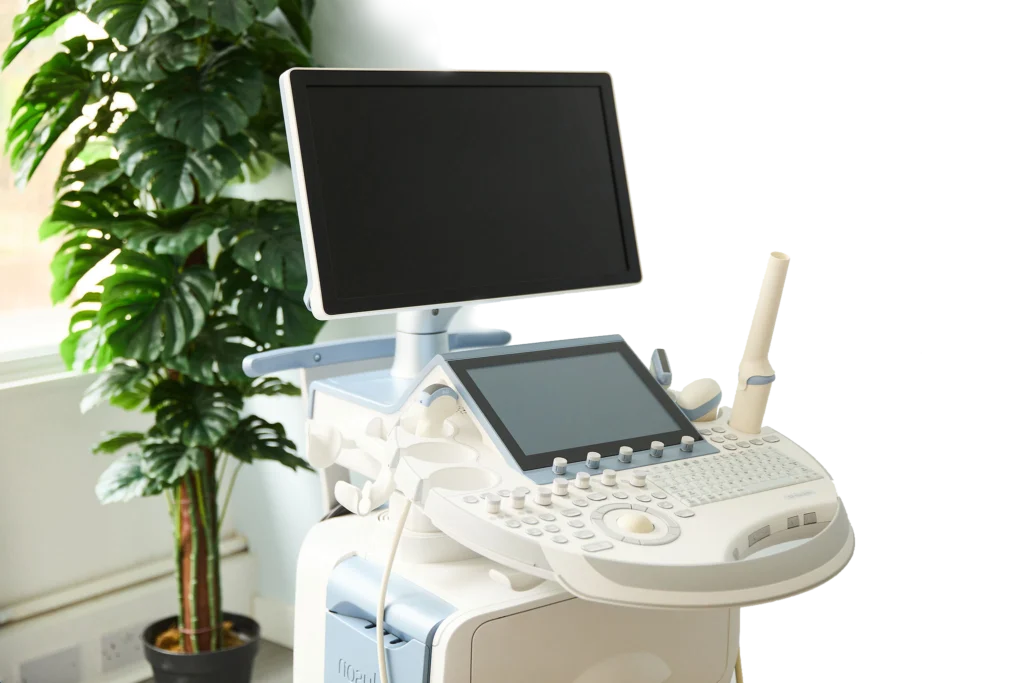
Our new ultrasound specialists provide a range of Ultrasound Services (TBC), delivering accurate and reliable imaging to support diagnosis and patient care. They utilize modern ultrasound technology to ensure high quality results.
Focused on professionalism and patient comfort, our specialists are committed to clear communication and precise imaging, supporting effective clinical decision-making as services are finalized.

Our Quality Manager is an HCPC-registered multidisciplinary scientist with over 15 years of experience across NHS and private healthcare. He specialises in quality governance, regulatory compliance, and service improvement, with extensive experience supporting ISO, UKAS, and CQC standards to ensure safe, high-quality clinical services.

Dr. Pooyan provides GP consultations, offering comprehensive primary care for a wide range of health concerns. He focuses on accurate diagnosis, preventive care, and effective treatment tailored to each patient’s needs.
With a patient-centered approach, Dr. Pooyan is committed to clear communication, continuity of care, and supporting long-term health and well-being.

Dr. Małgorzata specializes in Gynaecology and Selected Ultrasound Scans, providing comprehensive care focused on accurate diagnosis and women’s health. She combines clinical expertise with advanced imaging techniques to support informed medical decisions.
With a patient-centered and compassionate approach, Dr. Małgorzata is committed to delivering personalized care, ensuring comfort, clarity, and trust throughout every stage of diagnosis and treatment.

Prof. Paweł specializes in Gynaecology and Women’s Health, offering expert care across all stages of a woman’s life. His approach combines extensive clinical experience with evidence-based medicine to support both preventive and specialized gynecological care.
Dedicated to patient well-being, Prof. Paweł focuses on personalized treatment, clear communication, and compassionate care to promote long-term women’s health and quality of life.
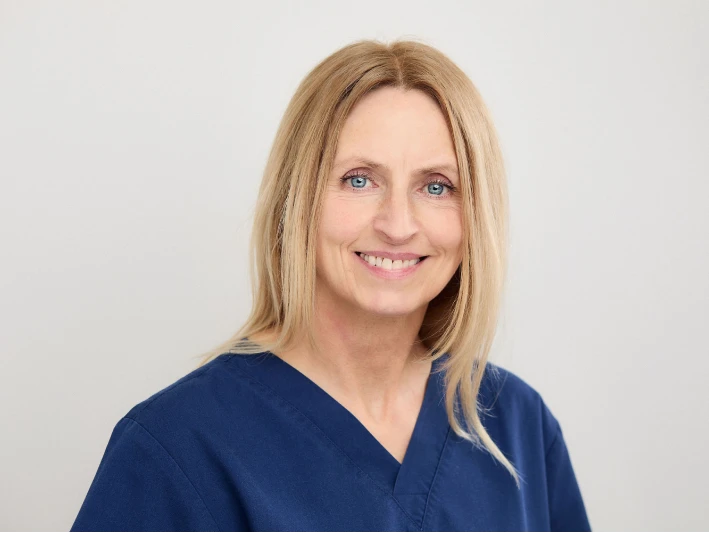
Gosia specializes in Phlebotomy and Blood Testing, delivering accurate, safe, and professional sample collection with a patient-centered approach. She ensures each procedure is performed with care, precision, and attention to detail.
With a strong focus on comfort and reliability, Gosia is dedicated to supporting diagnostic accuracy while helping patients feel at ease throughout the testing process.
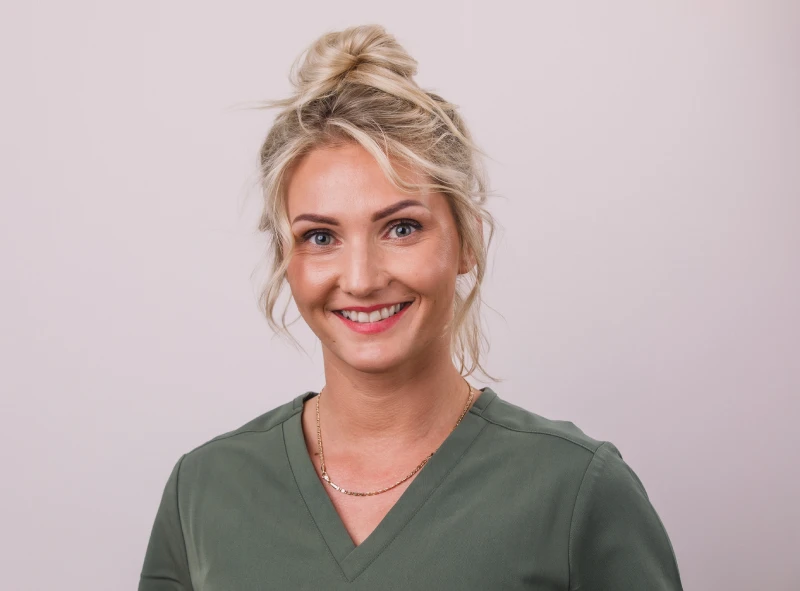
Kasia specializes in Laser Hair Removal, providing safe, effective, and advanced treatments tailored to each client’s needs. She is committed to delivering smooth, long-lasting results using modern laser technology.
With a focus on comfort and precision, Kasia ensures a professional and welcoming experience while helping clients feel confident and cared for throughout their treatment journey.

Tomasz provides strategic leadership and oversight for the clinic, with a strong focus on clinical governance, operational excellence, and sustainable growth. They are committed to maintaining high standards of care, compliance, and patient experience across all services.

Lisa specializes in Wellness, Diagnostics, and Regenerative Medicine, focusing on a holistic and personalized approach to health. She works with advanced diagnostic tools to identify underlying health concerns and guide effective treatment strategies.
With a strong emphasis on regenerative therapies and preventive care, Lisa is dedicated to helping individuals restore balance, improve vitality, and achieve long-term well-being through modern, science-based solutions.

Dr Danial is a young and ambitious General Practitioner with 13 years of clinical experience and 8 years as a GP. He specialises in home visits and the interpretation of diagnostic test results, providing patients with clear, personalised guidance based on their lab data and symptoms.
In addition to his clinical work, Dr Danial is actively involved in digital health projects, combining his medical expertise with a passion for innovation and technology. He plays a key role in helping modernise healthcare delivery and improve patient access through tech-driven solutions.
With a calm and compassionate approach, he ensures every patient feels heard, understood, and supported — whether at home or through remote consultations.

Dr Torkan is a highly experienced aesthetic doctor with over 12 years of clinical experience, holding a Postgraduate Diploma in Dermatology from Queen Mary University of London and a Medical Degree from Tabriz University in Iran.
She has worked extensively across both NHS and private sectors as a dermatologist before focusing her career on advanced aesthetic medicine. Her deep understanding of skin health, combined with her passion for non-surgical rejuvenation, makes her a trusted expert in treating signs of ageing and enhancing natural beauty.
Dr Torkan is committed to continuous professional development and staying at the forefront of aesthetic innovations. Her approach is deeply patient-centred — every treatment plan is tailored to the unique needs and goals of the individual, with safety, precision, and subtle enhancement as key priorities.
She is available for treatments at our London clinic, offering a wide range of advanced procedures including Botox, dermal fillers, Profhilo, Sculptra, Radiesse, polynucleotides, non-surgical rhinoplasty, and hyperhidrosis treatment.