2 Week ECG Monitoring
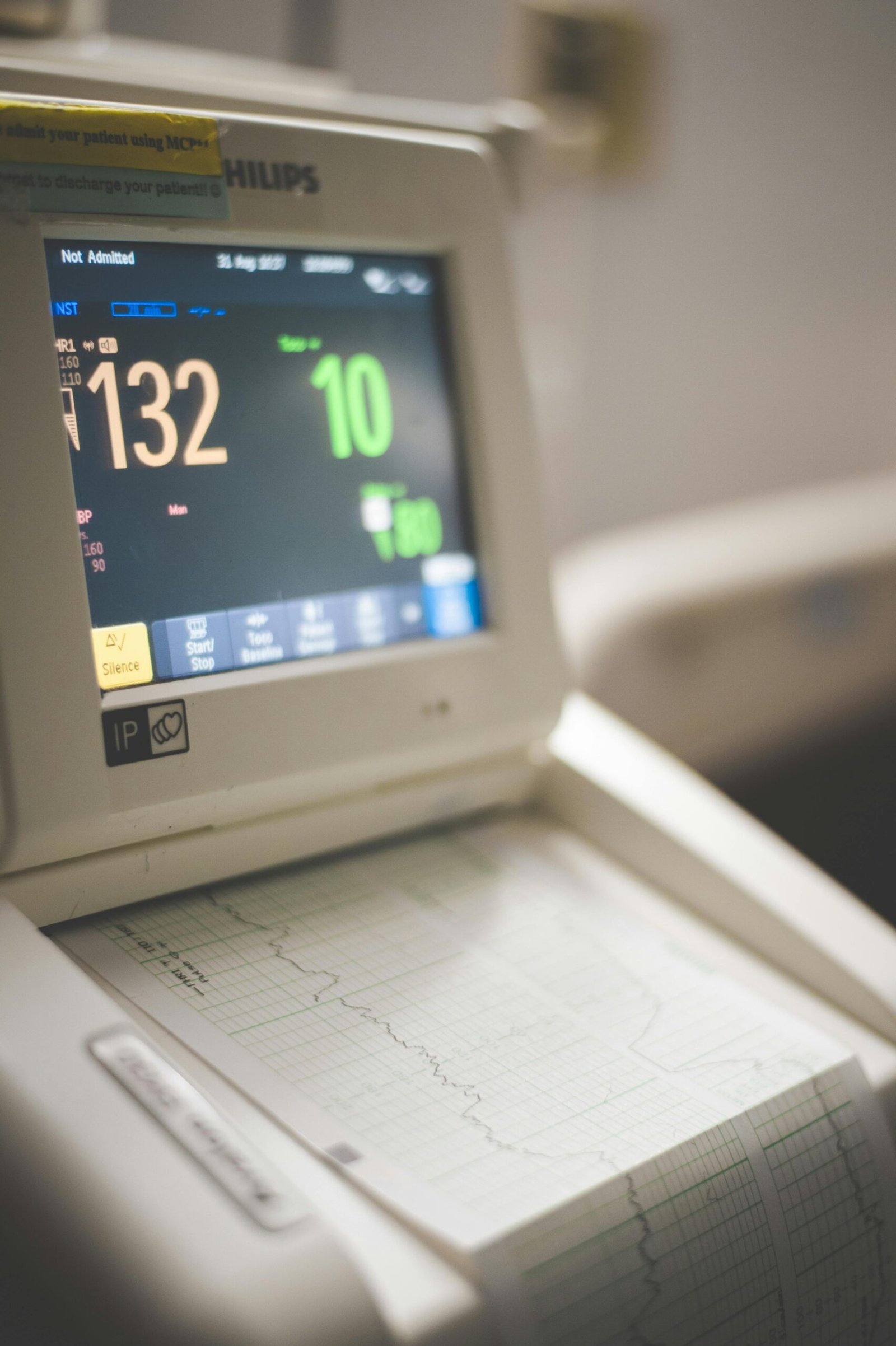
The 2 Week ECG is a long-duration heart monitoring service designed to capture detailed information about your heart’s electrical activity over a full 14-day period. This extended monitoring is ideal for identifying infrequent or intermittent heart rhythm irregularities that may not be detected during shorter tests.
How It Works
A compact, wearable ECG device is fitted and set up in the clinic using adhesive electrodes placed on your chest. Depending on your needs, the device can record continuously or capture specific events when symptoms occur. You can carry on with your normal daily activities while the monitor tracks your heart rhythm in real-life conditions.
What’s Included
- Long-duration ECG monitoring over 14 days
- Continuous or event-based heart rhythm recording
- Professional in-clinic device fitting and setup
- Comfortable wearable device for everyday use
- Full data collection at the end of the monitoring period
- Advanced rhythm analysis using modern diagnostic tools
- Detailed cardiac report prepared by a specialist
- Results reviewed by a qualified clinician
- Digital report provided for easy access
Advanced Long-Term Cardiac Insights
The 2 Week ECG offers a comprehensive evaluation of your heart’s activity over an extended period, significantly improving the detection of irregular rhythms and underlying cardiac concerns. With expert analysis and clear, clinician-reviewed reporting, it supports accurate diagnosis and effective heart health management.