Skip to content
Diabetes often develops quietly. Many people do not notice clear symptoms at first, or they may ignore small changes in how they feel. By the time signs become obvious, blood sugar levels may already be too high. This is why a diabetes blood test plays such an important role.
A simple blood test can do more than confirm a diagnosis. It helps doctors understand how your body is handling sugar, whether you are at risk, and how well your levels are controlled over time.
What Is a Diabetes Blood Test?
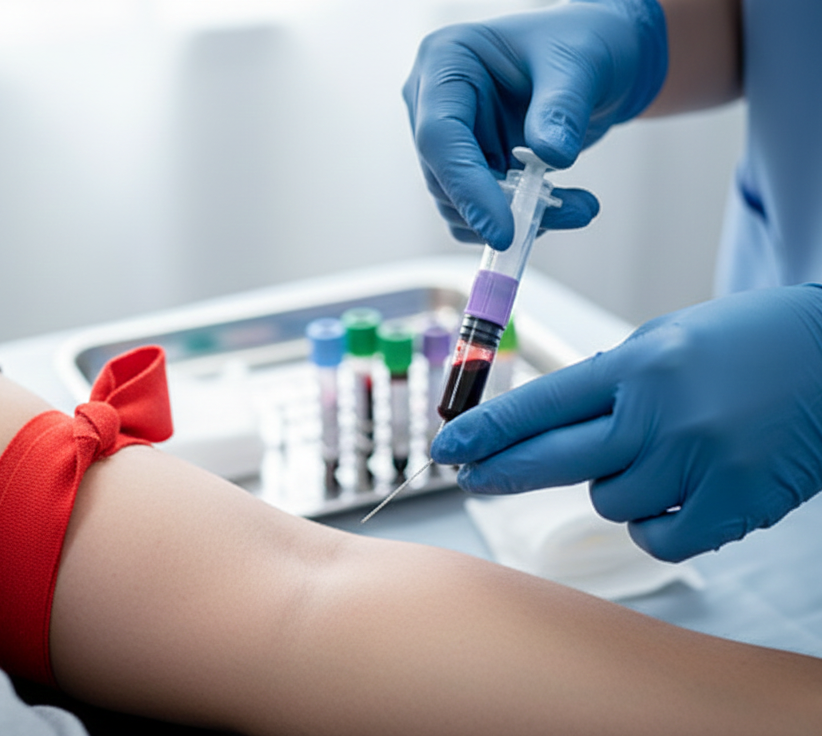
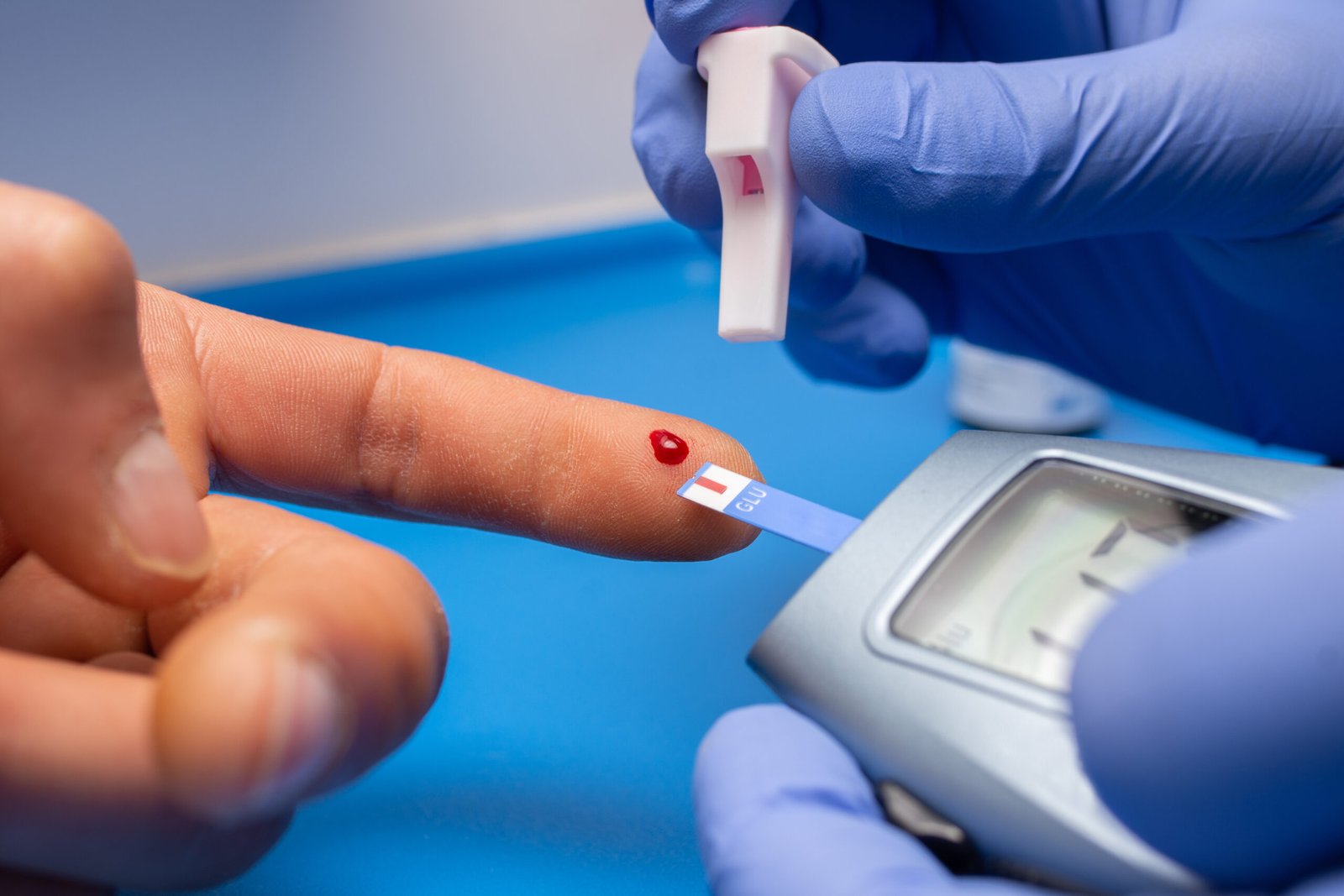
A diabetes blood test measures the amount of glucose in your blood. Glucose is your body’s main source of energy, but it needs to stay within a healthy range. When levels remain too high, it can lead to diabetes.
What makes a blood test reliable is that it gives measurable, consistent results. Unlike symptoms, which can vary from person to person, blood sugar readings provide clear evidence of what is happening inside your body.
In most cases, your doctor will not rely on a single test. If results are borderline or raised, the test may be repeated or supported by another type of diabetes blood test to confirm the diagnosis.
Why Blood Tests Are Essential for Diabetes
A diabetes blood test is not only used when there is a problem. It is also a key tool for prevention and long-term care.
Early Detection Before Symptoms Appear
Many people with prediabetes or early-stage diabetes feel completely normal. A routine blood test can pick up raised glucose levels before symptoms begin. This gives you time to make changes and avoid progression.
Clear Diagnosis
Conditions like fatigue, weight changes, or frequent urination can have many causes. A blood test removes uncertainty and helps doctors make a confident diagnosis.
Ongoing Monitoring
If you already have diabetes, regular testing shows whether your current treatment is working. It helps track patterns rather than relying on occasional readings.
Reducing the Risk of Complications
Keeping blood sugar under control lowers the risk of serious health problems such as heart disease, kidney damage, and nerve issues. Regular testing makes this possible.
Types of Diabetes Blood Tests You Should Know
Different tests give different insights. In practice, doctors often use a combination of these tests to get a full picture.
HbA1c Test (Glycated Haemoglobin)
The HbA1c test is one of the most widely used forms of diabetes blood testing.
It shows your average blood sugar levels over the past two to three months. This makes it especially useful for both diagnosis and monitoring.
Key points:
- No fasting is required
- Reflects long-term glucose control
- Helps identify trends rather than one-off spikes
An HbA1c level of 6.5% or higher is usually used to diagnose diabetes.
For people already diagnosed, this test is often repeated every few months to check how well blood sugar is being managed.
Fasting Blood Glucose Test
This test measures your blood sugar after you have not eaten for at least eight hours.
What it shows:
- Your baseline blood sugar level
- How your body manages glucose without recent food intake
A result of 7.0 mmol/Lor higher may indicate diabetes. If the result is slightly raised, your doctor may repeat the test on another day.
Oral Glucose Tolerance Test (OGTT)
The OGTT looks at how your body responds to sugar over a short period.
You will be asked to drink a glucose solution, and your blood sugar will be tested after two hours.
This test is useful when:
- Results from other tests are unclear
- There is a need to check how your body processes sugar
- Diagnosing gestational diabetes
A reading of 11.1 mmol/L or higher after two hours suggests diabetes.
Random Blood Sugar Test
This test can be done at any time of the day, regardless of when you last ate.
It is often used when symptoms are already present, such as increased thirst, frequent urination, or unexplained tiredness.
A result of 11.1 mmol/L or higher, along with symptoms, may indicate diabetes.
Understanding Your Results
Seeing your results for the first time can feel confusing, especially if the numbers are unfamiliar.
In general, results fall into three categories:
- Normal – blood sugar levels are within a healthy range
- Prediabetes – levels are higher than normal but not high enough for a diagnosis
- Diabetes – consistently elevated blood sugar levels
It is important to remember that one result does not tell the whole story. Your doctor will look at your overall health, repeat tests if needed, and explain what the results mean for you.
How Diabetes Blood Tests Support Long-Term Management
Once diabetes is diagnosed, testing becomes part of everyday care.
Tracking Progress Over Time
Tests like HbA1c show how your blood sugar has behaved over several weeks. This helps you and your doctor see whether your efforts are making a difference.
Adjusting Treatment Safely
Blood test results guide decisions about medication, diet, and lifestyle changes. Without regular testing, it is difficult to know what is working.
Preventing Future Health Problems
Good control of blood sugar reduces the risk of long-term complications. Regular diabetes blood tests act as an early warning system, helping you stay on track.
When Should You Consider a Diabetes Blood Test?
You do not need to wait for strong symptoms to get tested.
It is worth considering a diabetes blood test if you:
- Feel unusually tired without a clear reason
- Notice increased thirst or more frequent urination
- Have a family history of diabetes
- Are carrying excess weight
- Are over the age of 35
- Want a routine health check for peace of mind
Even if you feel well, a simple test can provide reassurance or highlight early signs that need attention.
Final Thoughts
A diabetes blood test offers a clear and practical way to understand your health. It helps detect problems early, confirm a diagnosis, and support long-term control of blood sugar levels.
In many cases, early testing makes the biggest difference. It gives you the chance to act before complications develop and to manage your health with confidence.
Take the Next Step
If you have been putting off a test or simply want clarity about your blood sugar levels, now is a good time to act. A quick and reliable diabetes blood test can give you a clear picture of where you stand.
At Medical Room, you can book a private appointment at a time that suits you, with prompt results and professional guidance. Whether you need a routine check or further investigation, getting tested is a straightforward step towards better health.