Introduction
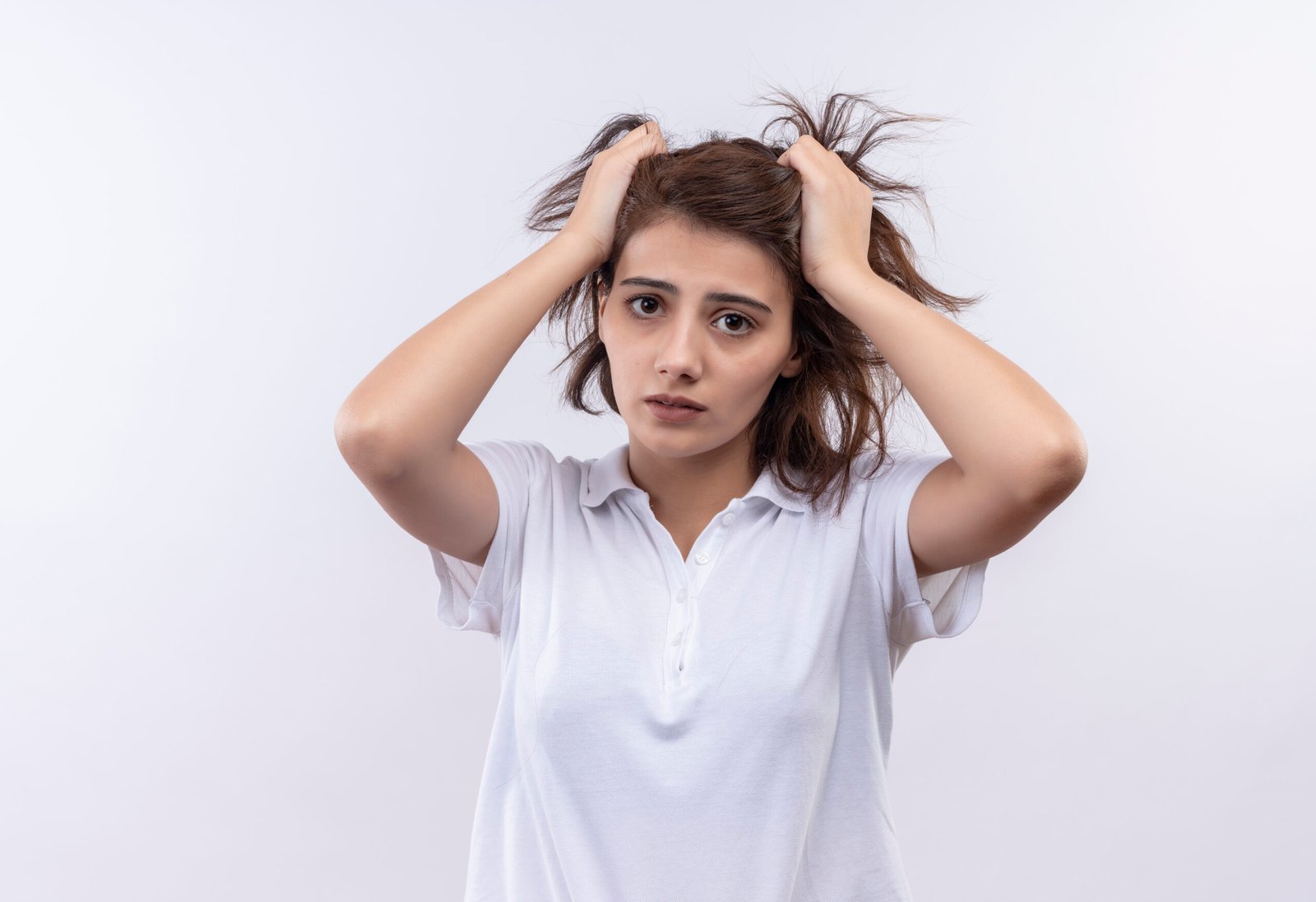
Sudden hair loss can feel frightening, especially when it seems to appear out of nowhere. You may notice more hair in the shower, a wider parting, thinner edges, or extra shedding when brushing.
For many women, hair loss is not simply a cosmetic concern. It can be a sign that something inside the body has changed. That is why understanding hair loss women causes is important. The aim is not to panic, but to look at the possible reasons carefully and know when testing or medical advice may help.
Hair Loss Can Start Weeks After the Trigger
One reason sudden shedding feels confusing is that the trigger is not always recent. Hair can react several weeks after illness, stress, hormonal change, or nutritional imbalance.
For example, a woman may notice heavy shedding today, but the cause may have started two or three months earlier. This delay is common because hair moves through growth and resting phases before it sheds.
So, when looking for the reason, it helps to think back over the last few months, not just the last few days.
Hormonal Changes Can Affect Hair Growth
Hormones have a strong influence on the hair cycle. When hormone levels shift, hair may become thinner, weaker, or shed more than usual.
This can happen around:
- Pregnancy and the months after childbirth
- Perimenopause or menopause
- Irregular periods
- Polycystic ovary syndrome
- Changes in contraception
If hair loss appears together with irregular cycles, acne, facial hair growth, or menopause symptoms, it may be worth discussing your symptoms through a gynaecology consultation. This gives space to look at the wider hormonal picture, rather than treating hair loss as an isolated problem.
Low Iron Is a Common Reason to Check
Iron plays a key role in carrying oxygen around the body. When iron stores are low, some women notice tiredness, dizziness, brittle nails, or increased hair shedding.
This may be more likely if you have:
- Heavy periods
- A restricted diet
- Recent blood loss
- Ongoing fatigue
- Pale skin or breathlessness
A private blood test can help check markers that may be linked to hair loss, including iron levels and wider health indicators. Medical Room’s blood testing service includes diagnostic testing with clinician-reviewed results, which is useful when symptoms are not clear from the outside.
Thyroid Problems Can Show Up Through the Hair
The thyroid helps control metabolism, energy, temperature, and many body functions. When it is underactive or overactive, hair changes can appear.
Hair loss related to thyroid imbalance may come with other symptoms such as:
- Feeling unusually tired
- Weight changes
- Feeling cold or hot more than usual
- Changes in mood
- Dry skin
- Changes in periods
Because these symptoms can be easy to blame on stress or a busy routine, thyroid testing can be helpful when hair loss appears alongside other body changes.
Vitamin Deficiencies May Be Involved
Hair needs a steady supply of nutrients to grow well. Low levels of vitamin D, B12, folate, and other nutrients can affect overall wellbeing and may contribute to weaker hair or increased shedding.
This is especially worth considering if you have:
- Low energy
- Poor diet quality
- Limited sunlight exposure
- Digestive issues
- Recent illness
- Vegan or restricted eating patterns
The goal is not to start supplements without knowing what you need. Testing first is safer and more useful because it shows whether a deficiency is actually present.
Stress and Illness Can Push Hair Into Shedding
Emotional stress, high pressure at work, bereavement, surgery, fever, or a recent infection can affect the hair cycle. This type of shedding often appears after the body has gone through a difficult period.
It may feel sudden, but the hair has usually been reacting quietly in the background.
In many cases, stress related shedding improves once the trigger has passed and the body recovers. Still, if the shedding is heavy or continues, it is sensible to check whether other factors, such as iron, thyroid, or hormone changes, are also involved.
Could It Be a Scalp Condition?
Not all hair loss starts inside the body. Sometimes the scalp itself is part of the problem.
Look for signs such as:
- Itching
- Flaking
- Redness
- Pain or tenderness
- Patches of hair loss
- Scaling or irritation
These symptoms may point to inflammation, infection, dermatitis, or another scalp condition. In this case, a medical review is important because the treatment depends on the cause.
When Should You Get Checked?
It is normal to lose some hair every day. The concern begins when the pattern changes noticeably.
You should consider medical advice if:
- Hair loss starts suddenly and feels excessive
- You notice bald patches or widening areas
- Shedding continues for more than a few weeks
- Hair loss comes with fatigue, period changes, weight changes, or skin changes
- You have recently had a major illness, pregnancy, or stressful event
A doctor consultation may be helpful when symptoms are mixed or you are unsure where to start. A GP can review the pattern of hair loss, discuss your general health, and advise whether blood tests or specialist support are needed.
What Tests May Help Identify the Cause?
The right tests depend on your symptoms, but common checks may include:
- Full blood count
- Iron studies or ferritin
- Thyroid function
- Vitamin D
- Vitamin B12 and folate
- Hormone profile, if symptoms suggest imbalance
Medical Room’s blood testing page mentions women’s health checks and hormone profiles, which makes it a strong supporting link for this article.
What You Should Avoid Doing
When hair loss starts, it is tempting to try several products at once. This can make it harder to know what is helping and what is irritating the scalp.
Try to avoid:
- Starting strong supplements without testing
- Using harsh scalp products repeatedly
- Tight hairstyles that pull on the roots
- Ignoring heavy shedding for months
- Assuming it is only stress without checking other causes
A careful approach usually gives better answers.
Final Thoughts
Sudden hair loss in women can happen for many reasons. Hormonal changes, low iron, thyroid imbalance, vitamin deficiencies, stress, illness, and scalp conditions can all play a part.
The most useful step is to look for patterns. Has your period changed? Are you more tired than usual? Have you been unwell recently? Has your diet changed? These details help guide the right tests and advice. Understanding hair loss women causes is not about guessing. It is about connecting the symptom with what may be happening in the body.