🔥
Blood Test Deals You Can't Miss!! Contact Us On WhatsApp
|✨
Exclusive Offers On Laser Hair Removal Treatments. Contact Us On WhatsApp
|📞
Book Your Ultrasound Scan Today — Fast, Professional & Affordable
|💉
IV Drip Therapy Now Available — Enquire Now
|🔥
Blood Test Deals You Can't Miss!! Contact Us On WhatsApp
|✨
Exclusive Offers On Laser Hair Removal Treatments. Contact Us On WhatsApp
|📞
Book Your Ultrasound Scan Today — Fast, Professional & Affordable
|💉
IV Drip Therapy Now Available — Enquire Now
|
Do you often feel exhausted regardless of how much sleep you get? Have you noticed unexpected changes in your weight, or do you feel unusually sensitive to the cold? These can be frustrating symptoms to live with, but they are often the body’s way of signaling that something is off with your metabolism.
At Medical Room, we frequently see patients struggling with these exact concerns. Often, the answer lies in a simple thyroid blood test. In this guide, we’ll explain why this test is so important, what your symptoms might mean, and how to interpret your results.
What is a Thyroid Blood Test?
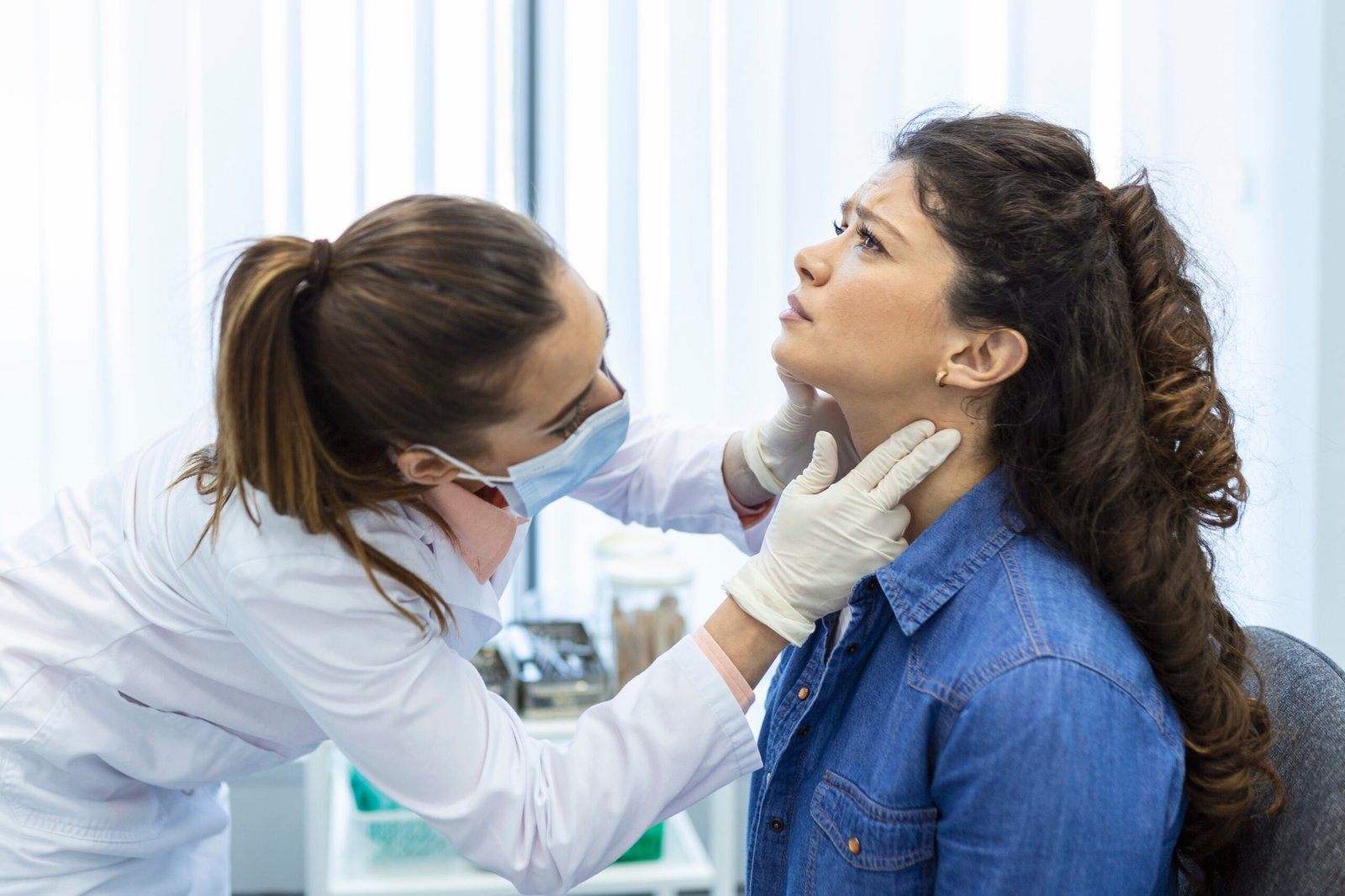
A thyroid blood test is a diagnostic tool used to measure how well your thyroid gland is functioning. Your thyroid is a small, butterfly-shaped gland located at the base of your neck. Despite its size, it plays a massive role in your health by producing hormones that regulate your metabolism, heart rate, and body temperature.
When Should You Get a Thyroid Blood Test?
Thyroid issues are incredibly common, but because the symptoms often mimic other conditions (like stress or menopause), they can be easy to overlook. You should consider booking a test if you experience the following:
Signs of an Underactive Thyroid (Hypothyroidism)
Persistent Fatigue: Feeling tired even after a full night’s rest.
Unexplained Weight Gain: Struggling to lose weight despite a healthy diet.
Cold Sensitivity: Feeling cold when others are comfortable.
Mood Changes: Feeling depressed, low, or “foggy.”
Physical Changes: Dry skin, thinning hair, or brittle nails.
Signs of an Overactive Thyroid (Hyperthyroidism)
Anxiety and Restlessness: Feeling “wired,” shaky, or irritable.
Rapid Heartbeat: Noticing palpitations or a racing pulse.
Unexplained Weight Loss: Losing weight without changing your activity level.
Heat Intolerance: Excessive sweating or feeling uncomfortably warm.
Sleep Issues: Difficulty falling or staying asleep.
Understanding Your Thyroid Results
When you receive your results from a blood test, you will likely see three main markers: TSH, T4, and T3. Understanding the relationship between these is key to your diagnosis.
1. TSH (Thyroid Stimulating Hormone)
TSH is produced by your pituitary gland to tell the thyroid to get to work.
High TSH: Usually indicates Hypothyroidism. Your body is screaming at the thyroid to produce more hormones because levels are too low.
Low TSH: Usually indicates Hyperthyroidism. Your body has detected too much hormone and has “turned off” the signal to make more.
2. T4 (Thyroxine) and T3 (Triiodothyronine)
These are the actual hormones produced by the thyroid.
Low T4/T3 + High TSH: Confirms an underactive thyroid.
High T4/T3 + Low TSH: Confirms an overactive thyroid.
3. Thyroid Antibodies
Sometimes, we test for antibodies to see if your immune system is attacking your thyroid. This helps diagnose autoimmune conditions like Hashimoto’s Disease or Graves’ Disease.
Condition
TSH Level
T4 Level
Primary Symptoms
Hypothyroidism
High
Low
Fatigue, Weight Gain, Cold Intolerance
Hyperthyroidism
Low
High
Anxiety, Weight Loss, Fast Heart Rate
Subclinical
High/Low
Normal
Mild or no symptoms; requires monitoring
Preparation: Do You Need to Fast?
One of the most common questions we get is, “Do I need to fast for a thyroid blood test?” Generally, you do not need to fast for a TSH test. However, if you are already taking thyroid medication, your clinician may advise you to take your dose after the blood draw to ensure the most accurate reading of your baseline levels. Always inform your doctor about any supplements you are taking, especially Biotin (Vitamin B7), as it can significantly interfere with thyroid lab results.
Next Steps: What Happens After the Test?
If your results come back outside the normal range, don’t worry, thyroid conditions are highly treatable. The next recommended steps for abnormal results are:
Consultation: We will sit down with you to discuss what the numbers mean in the context of your lifestyle and symptoms.
Medication: For hypothyroidism, a daily hormone replacement (like Levothyroxine) is often prescribed. For hyperthyroidism, medication to slow down hormone production may be used.
Monitoring: We usually re-test your levels every 6–8 weeks after starting treatment to fine-tune your dosage.
Specialist Referral: In complex cases, we may refer you to an endocrinologist for further investigation, such as an ultrasound scan.
Take Control of Your Health at Medical Room
Leaving a thyroid condition untreated can lead to long-term health issues, including heart problems and high cholesterol. A thyroid blood test is a quick, safe, and effective way to get the answers you need.
Ready to find out if your thyroid is holding you back? Book your thyroid blood test today at Medical Room or contact our clinical team to discuss your symptoms.
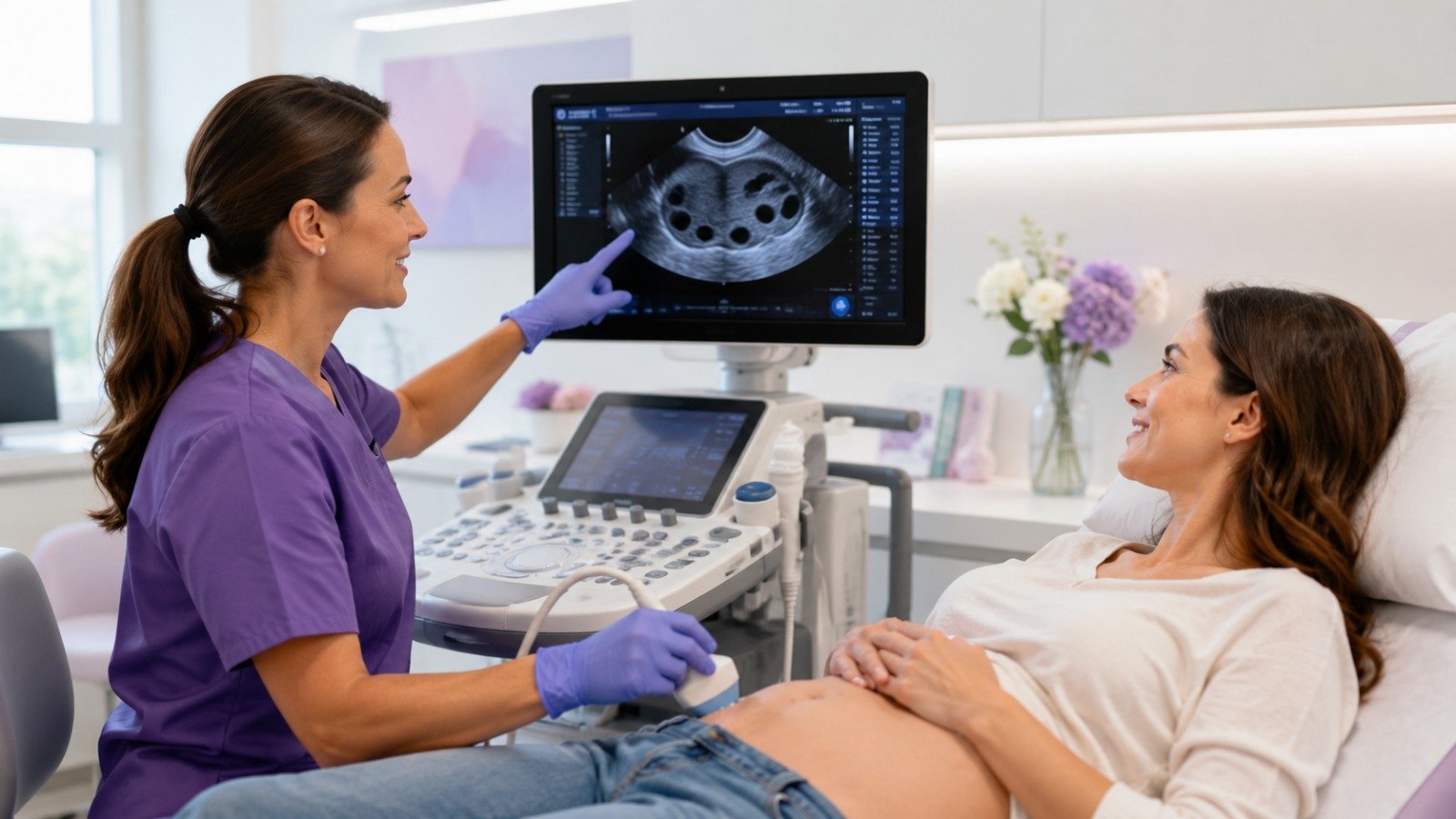
Our new ultrasound specialists provide a range of Ultrasound Services (TBC), delivering accurate and reliable imaging to support diagnosis and patient care. They utilize modern ultrasound technology to ensure high quality results.
Focused on professionalism and patient comfort, our specialists are committed to clear communication and precise imaging, supporting effective clinical decision-making as services are finalized.
Syd
Quality Manager
Our Quality Manager is an HCPC-registered multidisciplinary scientist with over 15 years of experience across NHS and private healthcare. He specialises in quality governance, regulatory compliance, and service improvement, with extensive experience supporting ISO, UKAS, and CQC standards to ensure safe, high-quality clinical services.
Dr. Pooyan
GP consultation
Dr. Pooyan provides GP consultations, offering comprehensive primary care for a wide range of health concerns. He focuses on accurate diagnosis, preventive care, and effective treatment tailored to each patient’s needs.
With a patient-centered approach, Dr. Pooyan is committed to clear communication, continuity of care, and supporting long-term health and well-being.
Dr. Malgorzata
Gynaecology & Selected Ultrasound Scans
Dr. Małgorzata specializes in Gynaecology and Selected Ultrasound Scans, providing comprehensive care focused on accurate diagnosis and women’s health. She combines clinical expertise with advanced imaging techniques to support informed medical decisions.
With a patient-centered and compassionate approach, Dr. Małgorzata is committed to delivering personalized care, ensuring comfort, clarity, and trust throughout every stage of diagnosis and treatment.
Prof. Pawel
Gynaecology & Women’s Health
Prof. Paweł specializes in Gynaecology and Women’s Health, offering expert care across all stages of a woman’s life. His approach combines extensive clinical experience with evidence-based medicine to support both preventive and specialized gynecological care.
Dedicated to patient well-being, Prof. Paweł focuses on personalized treatment, clear communication, and compassionate care to promote long-term women’s health and quality of life.
Gosia
Phlebotomy & Blood Testing
Gosia specializes in Phlebotomy and Blood Testing, delivering accurate, safe, and professional sample collection with a patient-centered approach. She ensures each procedure is performed with care, precision, and attention to detail.
With a strong focus on comfort and reliability, Gosia is dedicated to supporting diagnostic accuracy while helping patients feel at ease throughout the testing process.
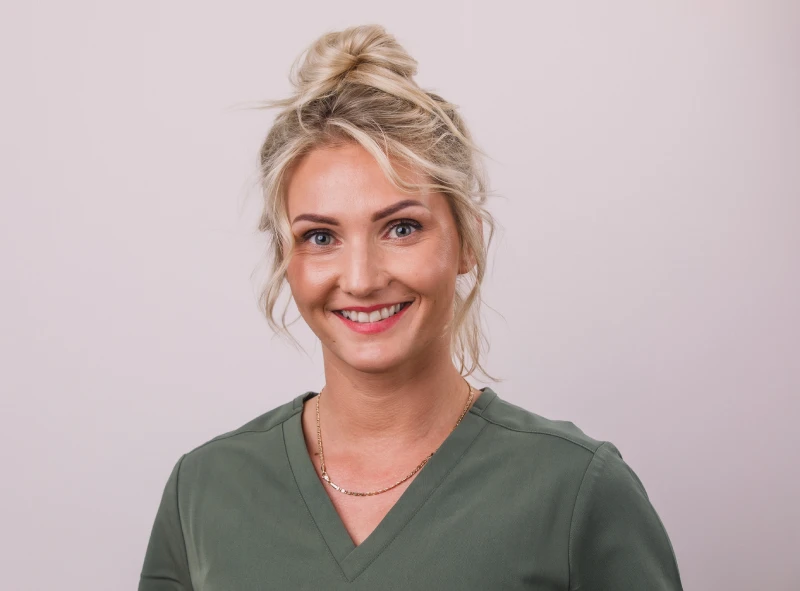
Kasia
Laser Hair Removal
Kasia specializes in Laser Hair Removal, providing safe, effective, and advanced treatments tailored to each client’s needs. She is committed to delivering smooth, long-lasting results using modern laser technology.
With a focus on comfort and precision, Kasia ensures a professional and welcoming experience while helping clients feel confident and cared for throughout their treatment journey.
Tomasz
DIrector
Tomasz provides strategic leadership and oversight for the clinic, with a strong focus on clinical governance, operational excellence, and sustainable growth. They are committed to maintaining high standards of care, compliance, and patient experience across all services.
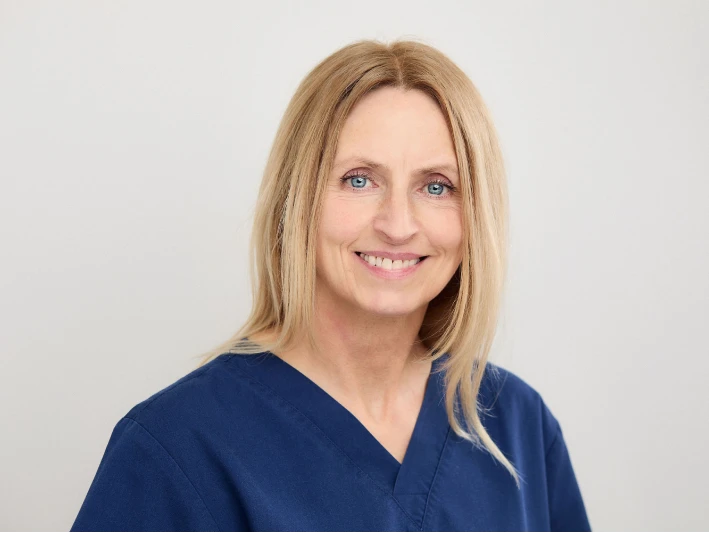
Lisa
Wellness, Diagnostics & Regenerative Medicine
Lisa specializes in Wellness, Diagnostics, and Regenerative Medicine, focusing on a holistic and personalized approach to health. She works with advanced diagnostic tools to identify underlying health concerns and guide effective treatment strategies.
With a strong emphasis on regenerative therapies and preventive care, Lisa is dedicated to helping individuals restore balance, improve vitality, and achieve long-term well-being through modern, science-based solutions.
Dr Danial
GP & Digital Health Enthusiast
Dr Danial is a young and ambitious General Practitioner with 13 years of clinical experience and 8 years as a GP. He specialises in home visits and the interpretation of diagnostic test results, providing patients with clear, personalised guidance based on their lab data and symptoms.
In addition to his clinical work, Dr Danial is actively involved in digital health projects, combining his medical expertise with a passion for innovation and technology. He plays a key role in helping modernise healthcare delivery and improve patient access through tech-driven solutions.
With a calm and compassionate approach, he ensures every patient feels heard, understood, and supported — whether at home or through remote consultations.
Dr. Torkan
Aesthetic Doctor & Dermatology Specialist
Dr Torkan is a highly experienced aesthetic doctor with over 12 years of clinical experience, holding a Postgraduate Diploma in Dermatology from Queen Mary University of London and a Medical Degree from Tabriz University in Iran.
She has worked extensively across both NHS and private sectors as a dermatologist before focusing her career on advanced aesthetic medicine. Her deep understanding of skin health, combined with her passion for non-surgical rejuvenation, makes her a trusted expert in treating signs of ageing and enhancing natural beauty.
Dr Torkan is committed to continuous professional development and staying at the forefront of aesthetic innovations. Her approach is deeply patient-centred — every treatment plan is tailored to the unique needs and goals of the individual, with safety, precision, and subtle enhancement as key priorities.
She is available for treatments at our London clinic, offering a wide range of advanced procedures including Botox, dermal fillers, Profhilo, Sculptra, Radiesse, polynucleotides, non-surgical rhinoplasty, and hyperhidrosis treatment.