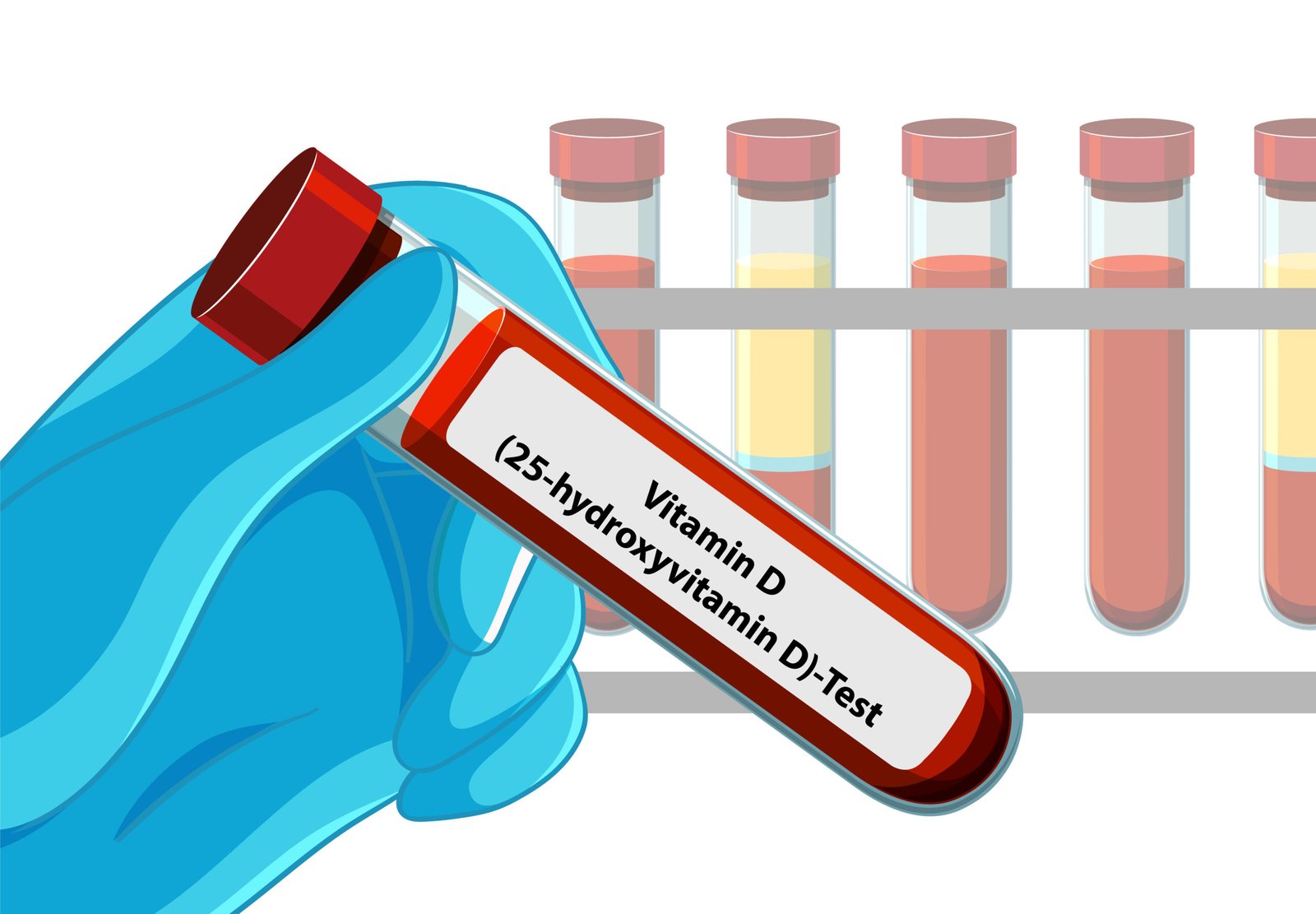
Feeling constantly tired, low on energy, or struggling with frequent illness can sometimes point to an underlying issue that’s easy to miss, a vitamin deficiency.
In many cases, symptoms develop gradually and can be mistaken for everyday stress or lifestyle factors. That’s why a vitamin deficiency blood test can be a simple and effective way to understand what your body may be lacking and take the right steps to improve your health.
In this guide, we explain how vitamin blood tests work, which deficiencies are commonly tested, and when you should consider getting checked.
What Is a Vitamin Deficiency Blood Test?
A vitamin deficiency blood test measures the levels of essential vitamins in your bloodstream to identify whether you are:
- Deficient
- Within a healthy range
- Or at risk of deficiency
These tests provide a clear picture of your nutritional health.
Why Vitamin Levels Matter for Your Health
Vitamins play a vital role in maintaining everyday bodily functions, including:
- Energy production
- Immune system support
- Brain and nerve function
- Bone strength and muscle health
Even mild deficiencies can affect how you feel day to day, while more significant deficiencies may lead to long-term health concerns if left untreated.
Common Vitamin Deficiencies Tested in the UK
A comprehensive blood test can check for several key vitamins:
Vitamin D
One of the most common deficiencies in the UK due to limited sunlight exposure. Low levels can lead to:
- Fatigue
- Bone pain
- Muscle weakness
Vitamin B12
Essential for red blood cell production and nerve function. Deficiency may cause:
- Tiredness
- Memory issues
- Tingling in hands and feet
Folate (Vitamin B9)
Important for cell growth and red blood cell formation.
Iron (Often Tested Alongside Vitamins)
While not a vitamin, iron deficiency is frequently assessed together due to its link with fatigue and anaemia.
Signs You May Have a Vitamin Deficiency
You may benefit from a blood test if you experience:
- Ongoing fatigue or low energy
- Frequent illness or weakened immunity
- Hair thinning or brittle nails
- Difficulty concentrating (“brain fog”)
- Muscle weakness or aches
These symptoms can have multiple causes, which is why accurate testing is important before starting supplements.
Do You Need to Fast Before a Vitamin Blood Test?
In most cases, fasting is not required for vitamin deficiency tests.
However:
- Some combined panels (especially those including glucose or lipid markers) may require fasting
- Your clinic will provide clear instructions before your appointment
If you’re unsure, it’s always best to confirm in advance. Check out this blog post to get an idea of whether you should fast before a blood test.
How a Vitamin Blood Test Works
The process is quick and straightforward:
- A small blood sample is taken by a trained clinician
- The sample is analysed in a laboratory
- Your results are reviewed and explained clearly
Choosing a Private Clinic for Vitamin Blood Test in London
If you’re looking for a convenient and professional option, private clinics offer flexible appointments and a wide range of testing options.
At Medical Room, patients benefit from expert-led testing, clear guidance, and reliable results tailored to individual health needs.
You can explore available options through our Blood Test Services for a full range of diagnostic tests.
For a more comprehensive assessment, the Ultimate Vitamins Blood Test is designed to check multiple key vitamin levels in one convenient panel, ideal if you’re experiencing ongoing symptoms or want a detailed overview of your nutritional health.
When Should You Consider a Vitamin Blood Test?
You may want to book a test if you:
- Have persistent symptoms such as fatigue or low mood
- Follow a restricted diet (e.g. vegetarian or vegan)
- Have a known health condition affecting nutrient absorption
- Want a proactive health check
Regular testing can also help monitor your progress if you’re already taking supplements.
What Happens After Your Results?
Once your results are available:
- You’ll receive a clear explanation of your vitamin levels
- If needed, recommendations may include dietary changes or supplements
- Follow-up testing may be advised to track improvement
This ensures your treatment is based on evidence rather than guesswork.
Final Thoughts
Vitamin deficiencies are more common than many people realise, but they are also easy to identify and manage with the right testing.
A simple blood test can provide valuable insight into your health, helping you take targeted steps to feel better, improve energy levels, and support long-term wellbeing.
If you’re experiencing symptoms or simply want reassurance, booking a vitamin deficiency blood test is a practical and proactive choice.
Image by brgfx on Freepik