
Laser Tattoo Removal
Laser Tattoo Removal
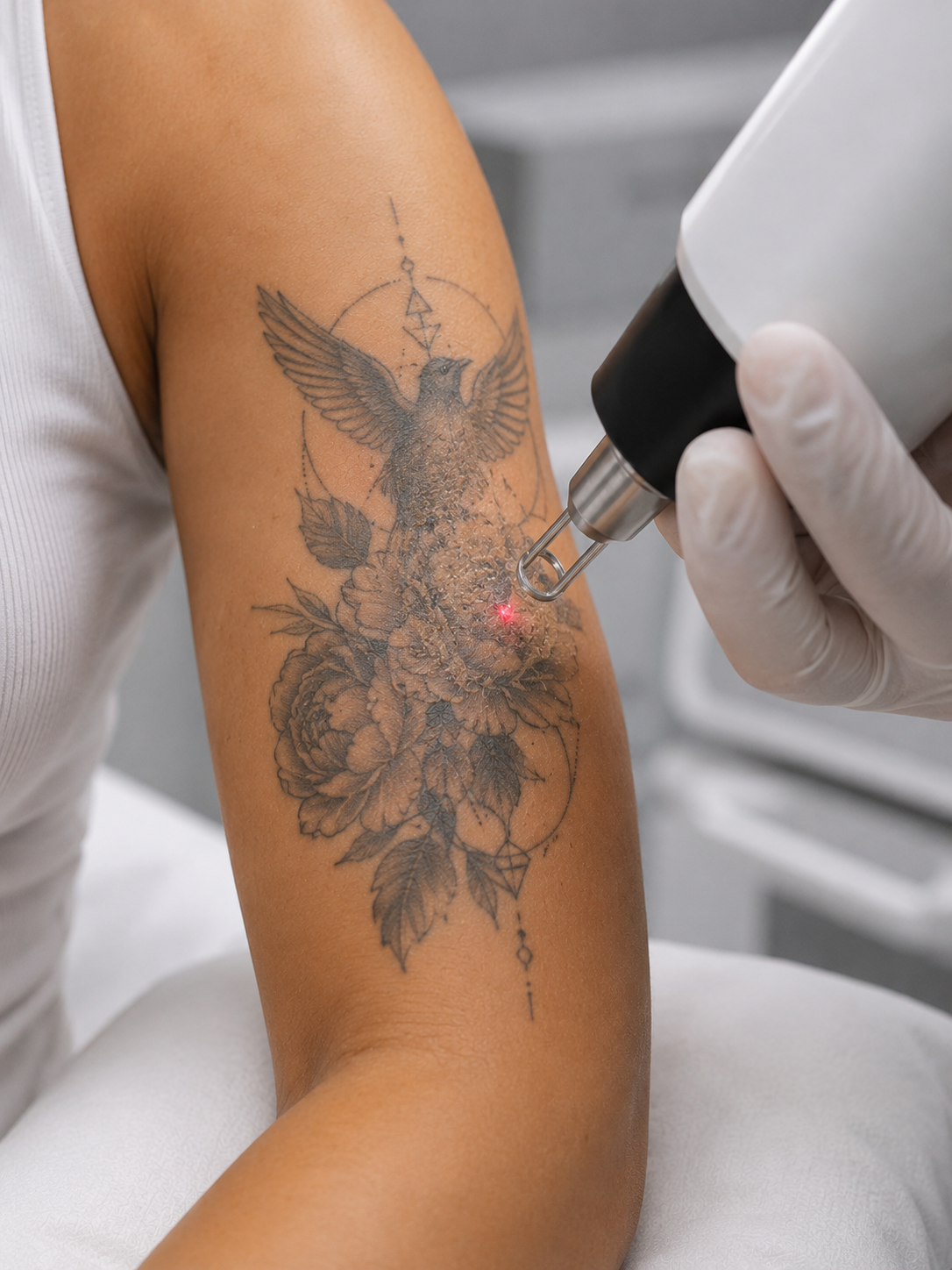
BODY Tattoo removal
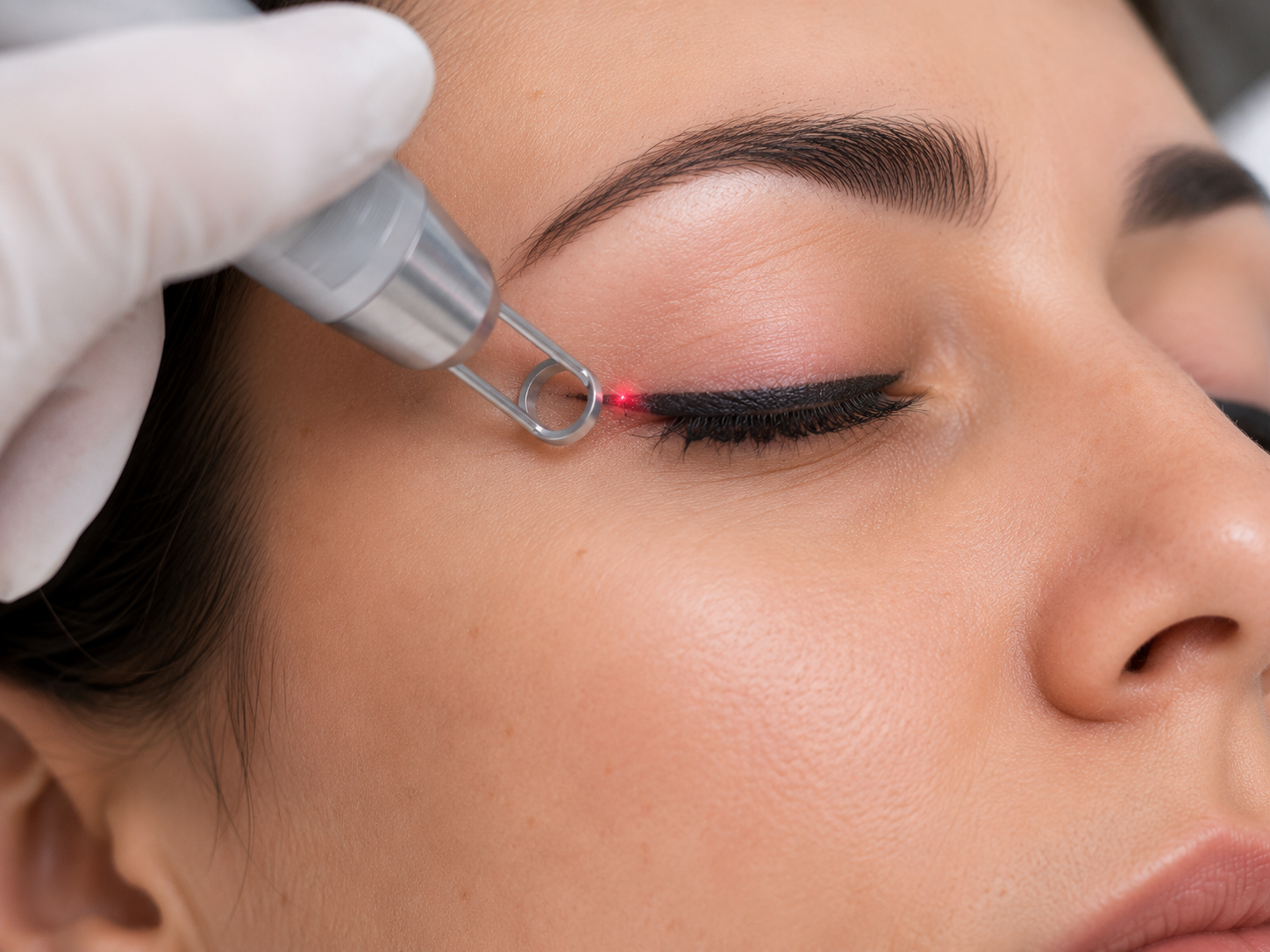
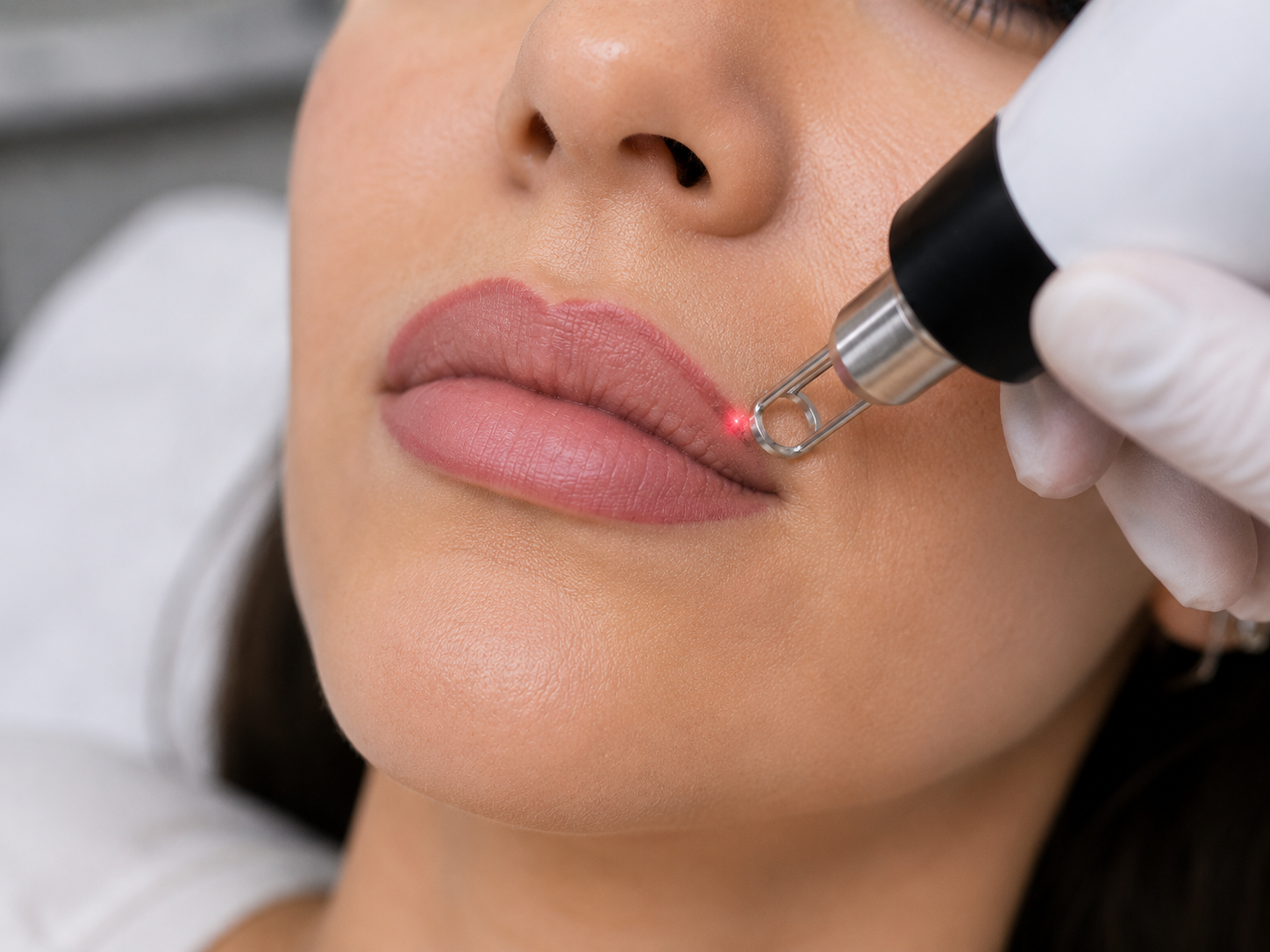
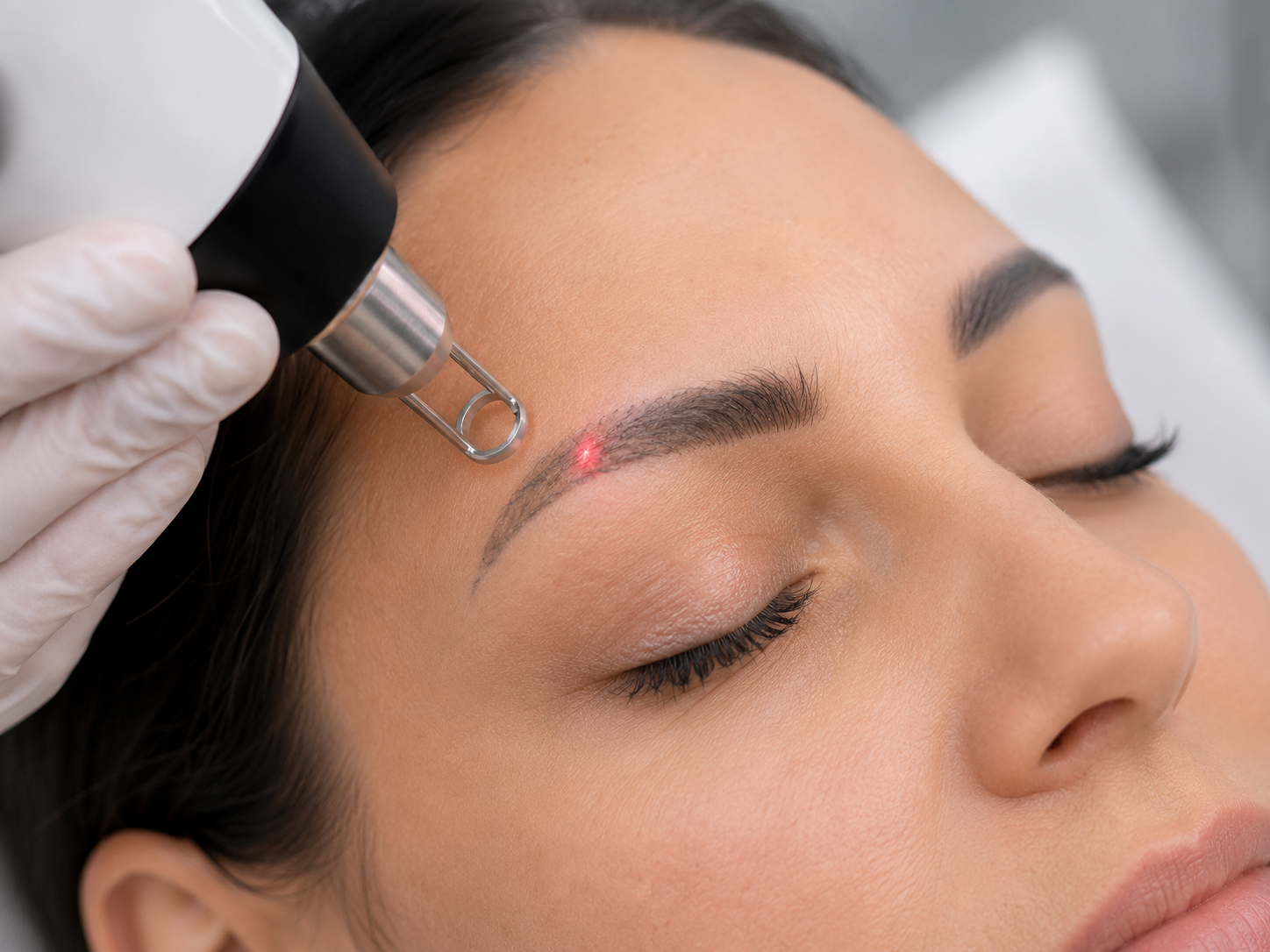
Comestic/PMU Tattoo removal
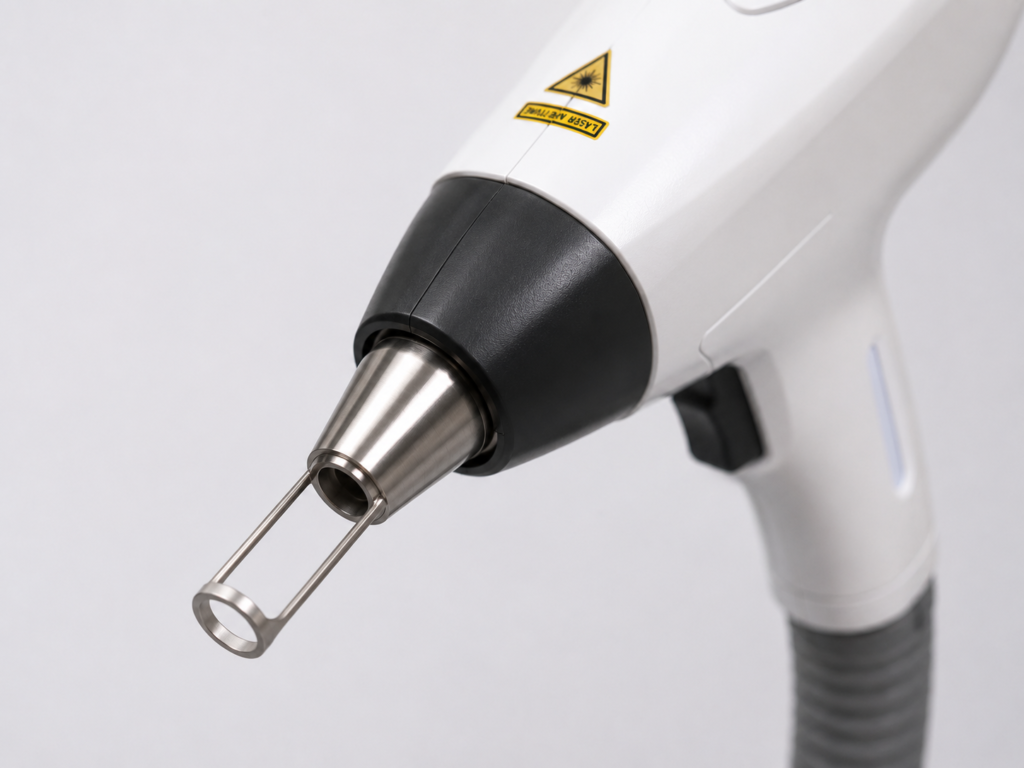
Laser Tattoo Removal
Medical Room London is an established private healthcare provider offering a range of regulated clinical services in Central London offering state-of-the-art laser tattoo removal with four advanced lasers, With over 25 years of expertise and extensive experience treating patients across a range of clinical and aesthetic needs; we specialise in safe and effective tattoo removal for all skin types. Our team of experienced professionals ensures a tailored approach to help you achieve the best results. Trust the experts in tattoo removal to help you fade or completely remove your unwanted ink.
Tattoo Removal in London
When considering tattoo removal, there are various methods available, including dermabrasion (mechanical removal of superficial skin layers), TCA (Trichloroacetic Acid a chemical peel agent used to remove skin layers) and surgical excision.
The most effective option is often regarded as laser tattoo removal. This is because Laser removal is the safest and most advanced method,using targeted energy to break down ink particles while minimising damage to surrounding skin.
How Does Laser Tattoo Removal Work?
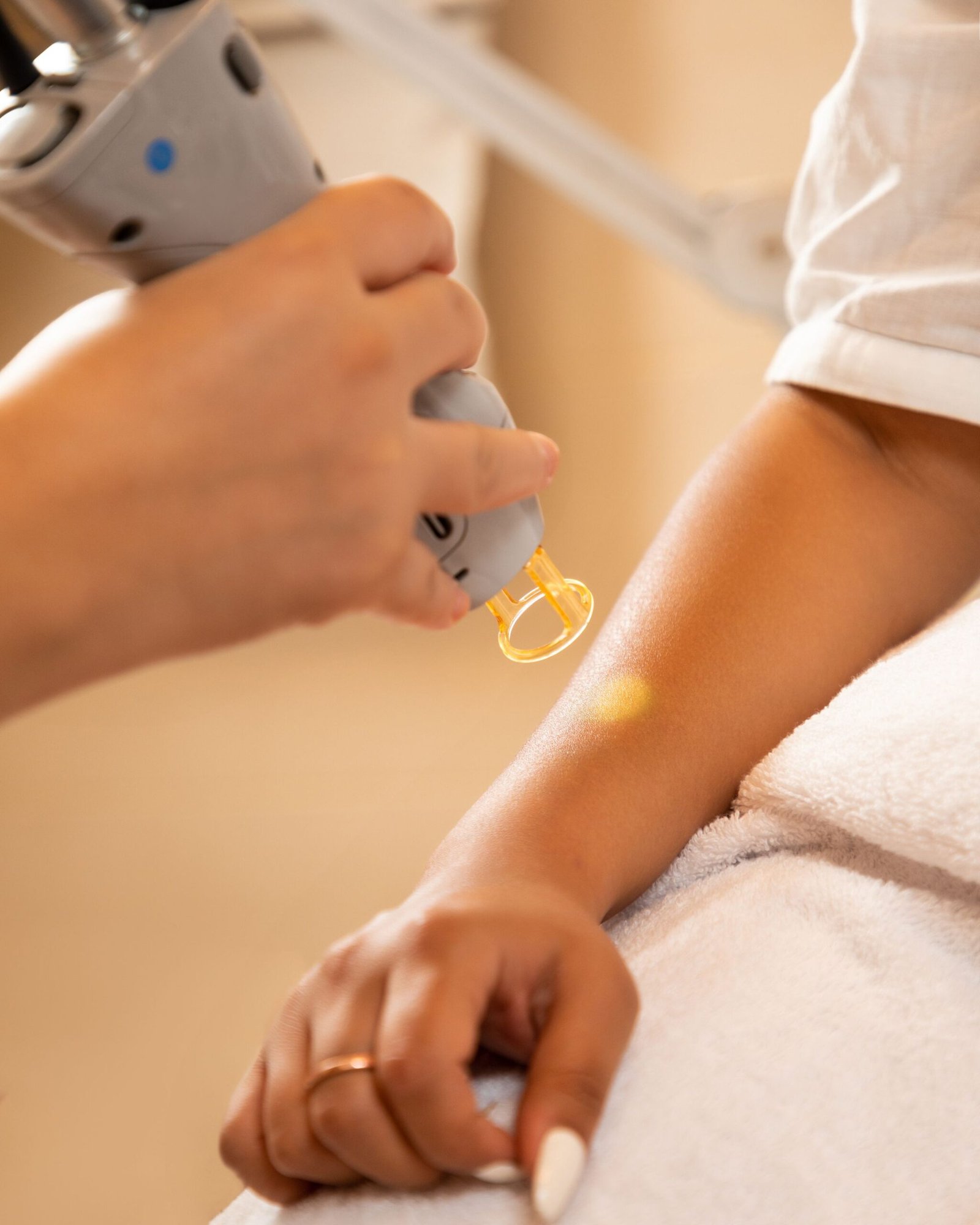
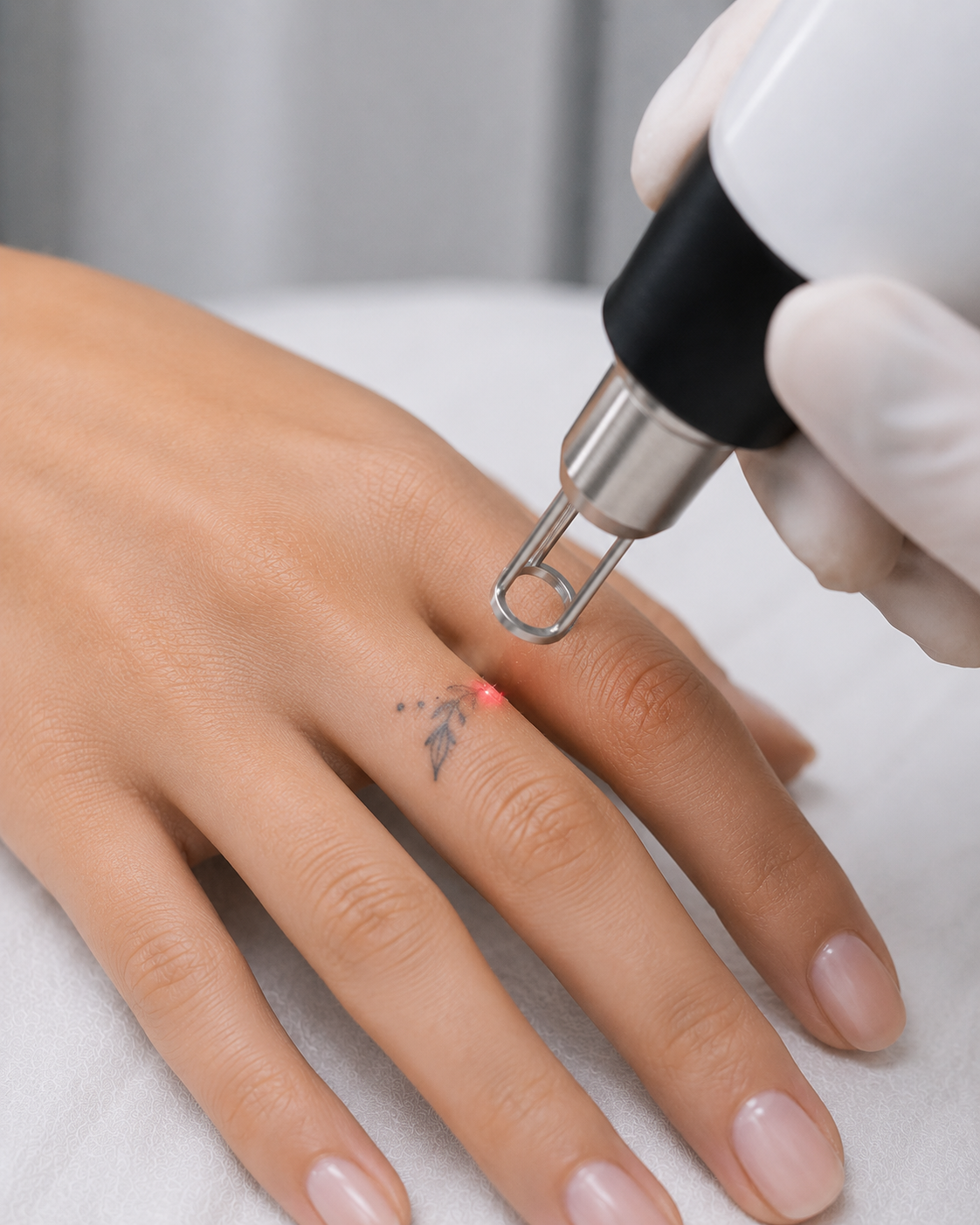
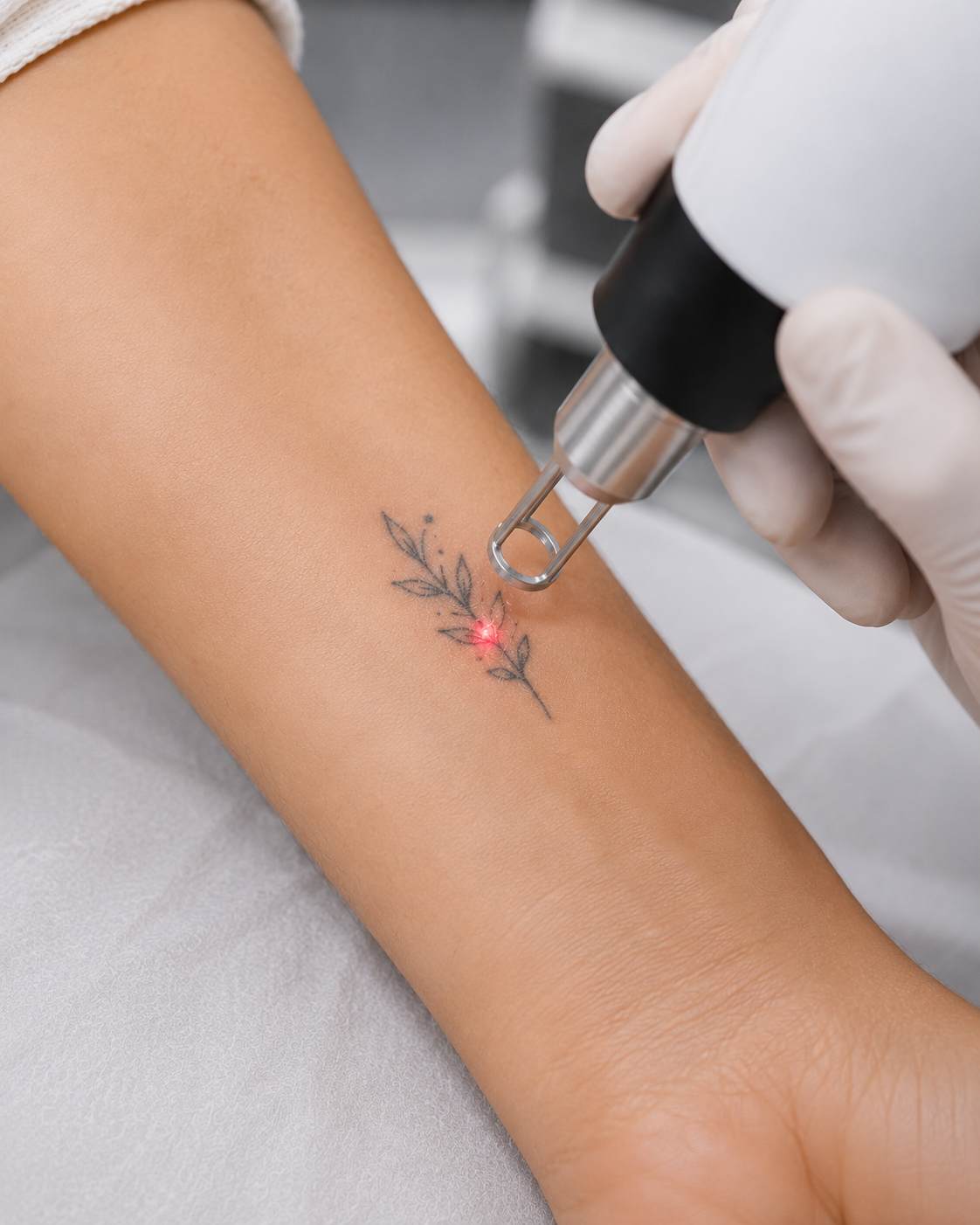
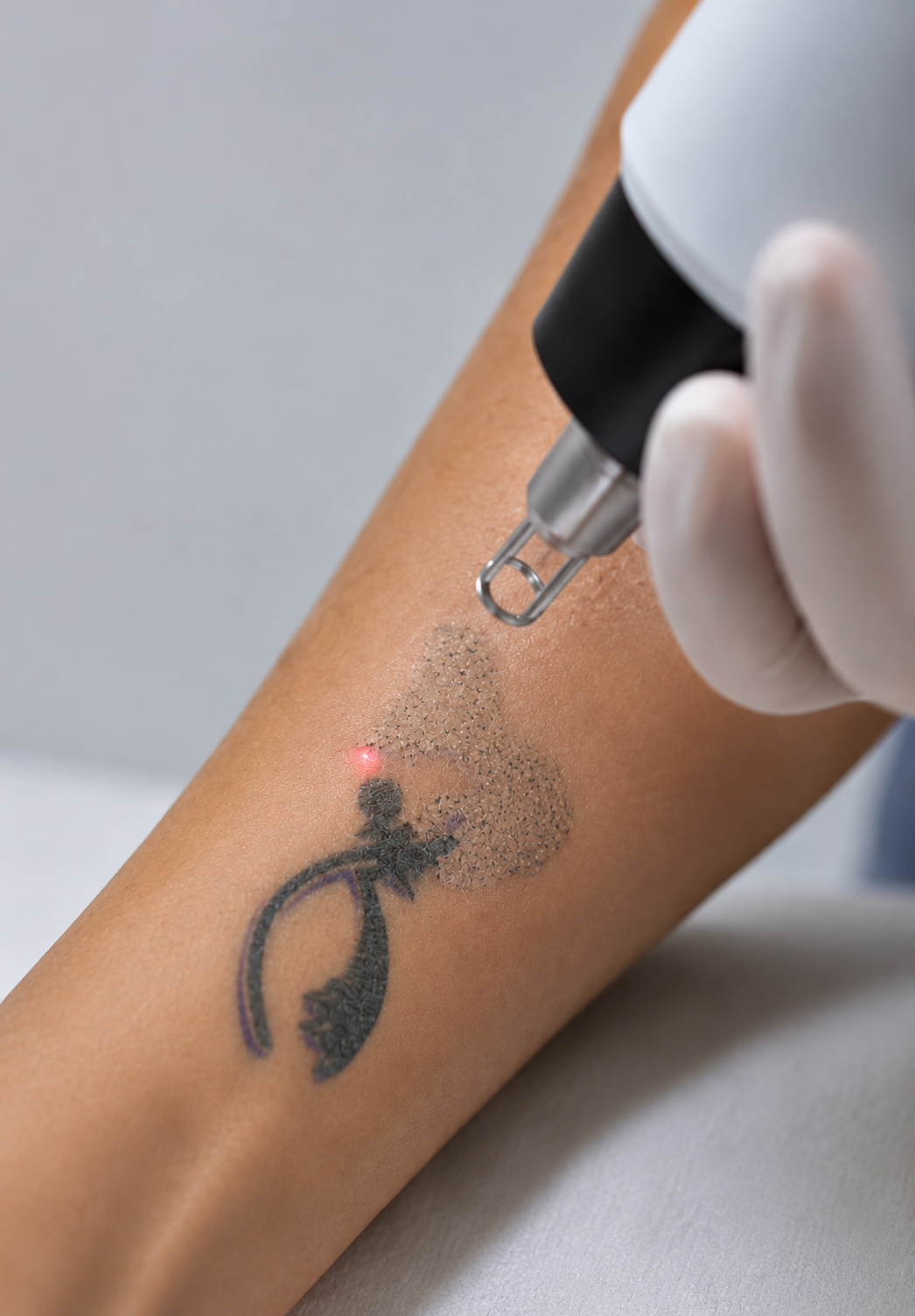
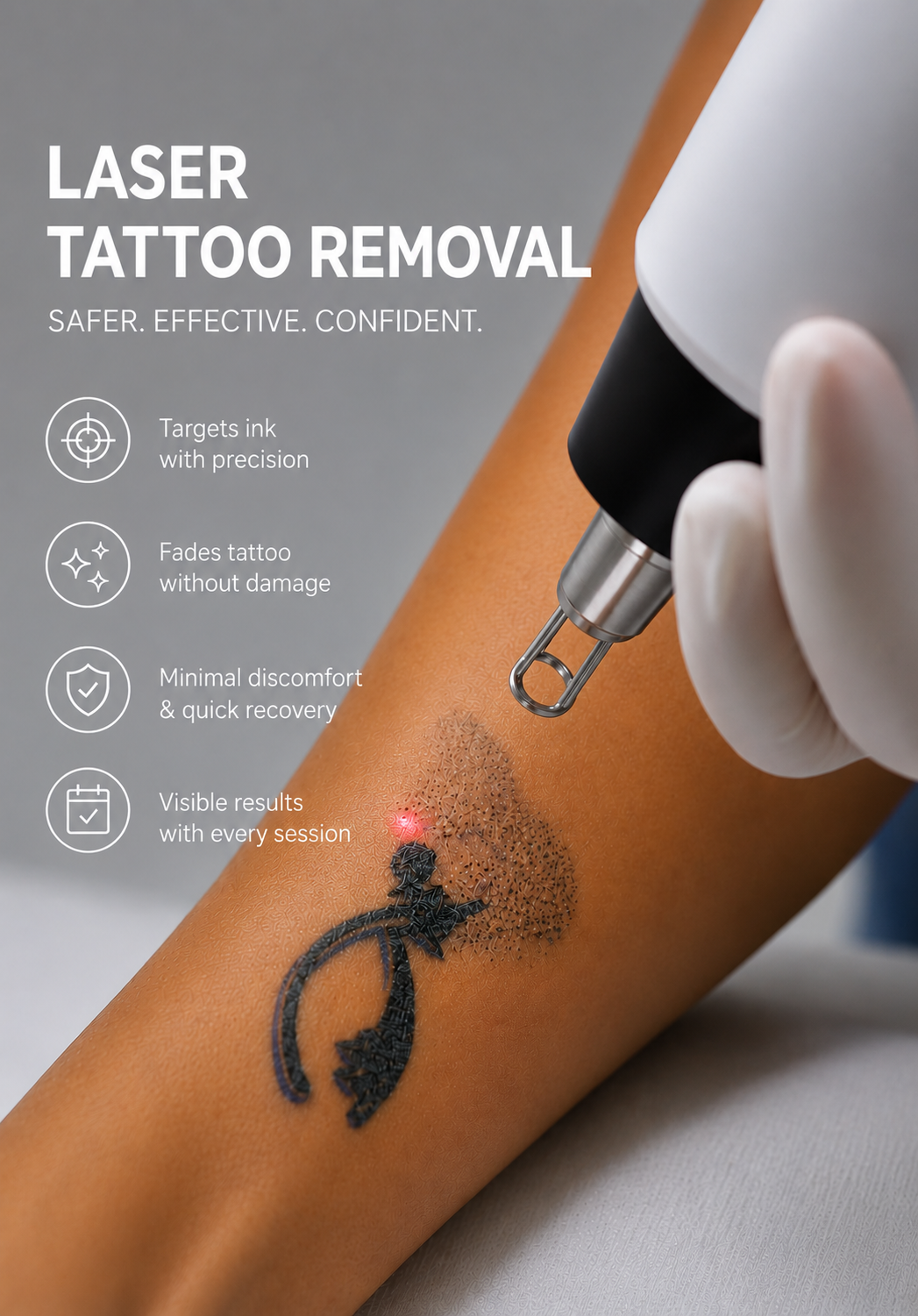
Laser tattoo removal works by firing concentrated controlled pulses of light energy onto the tattoo. This energy breaks the ink into tiny fragments, which are then absorbed and removed by the body’s natural processes. Unlike other methods that can damage the skin, laser technology focuses on removing the ink while preserving the integrity of your skin.
Benefits of Medical Room Laser Tattoo Removal
Discover why laser tattoo removal is the smart choice for permanent hair reduction
Less Painful Treatment
Experience reduced discomfort during your session compared to other methods.
Minimal Downtime
Less swelling, blistering, and scabbing, allowing for faster recovery relative to other methods.
Shorter Recovery Time
Get back to your routine quickly after treatment.
Less Skin Damage
The advanced laser technology ensures your skin is minimally affected.
Effective on All Colours
Removes even the hardest-to-treat colours like green and blue.
Fewer Treatments Required
Your tattoo can be removed in as few as 6-10 treatments
How Much Does Tattoo Removal Cost?
The cost of tattoo removal at Medical Room depends on the size of your tattoo and the number of sessions required. Prices start from £60 per session for very small tattoos (up to 3 cm). We offer affordable packages and flexible finance options to suit your budget. For extra-large tattoos (15 cm and above), we create custom packages with pricing provided upon consultation.
To receive an accurate quote and a personalised treatment plan, book a free consultation with our experts or check our price list and finance options online. We’re committed to making your tattoo removal journey as accessible and affordable as possible.
Traditional vs. Modern Laser Tattoo Removal
Traditional laser tattoo removal has been around for a while, relying on photo-thermal energy to break down the pigment. While this method can work, it often requires 15-30 treatments, spaced out over 6 weeks to 2 months between each session. Additionally, conventional lasers may struggle to remove certain ink colours, such as green and blue.
Tattoo Removal Near Me
Looking for expert tattoo removal near you? Medical Room offers the most advanced laser tattoo removal services in the London UK. Whether you want to remove or fade your tattoo for a cover-up fully, our state-of-the-art lasers and highly experienced team ensure exceptional results for all skin types.
Popular Tattoo Removal Areas and the Best Laser for Each Skin Type
Medical Room London utilises advanced laser systems designed to deliver precise, controlled tattoo removal across different skin types and body areas. Our technology is chosen to selectively target ink particles while helping to preserve the integrity of surrounding skin.
Below is an overview of commonly treated tattoo areas and the appropriate laser approach for each.
Arms & Forearms
One of the most commonly treated areas. Black and darker pigments typically respond well to laser treatment. Professional tattoos may require multiple sessions depending on ink density and depth.
Wrists, Hands & Fingers
These areas can respond slightly more slowly due to reduced circulation, which affects how quickly the body clears fragmented ink particles. Treatment is carefully delivered using appropriate energy settings to minimise skin irritation.
Chest & Upper Back
Often suitable for treatment with standard wavelength settings, particularly for darker inks. Larger tattoos may be treated in sections across multiple sessions.
Neck & Behind the Ear
More delicate areas requiring careful parameter selection to protect surrounding tissue. Precision delivery helps reduce the risk of pigmentary change.
Lower Legs & Ankles
Tattoos in these areas may fade more gradually due to circulation differences. A structured treatment plan is usually advised.
Coloured Tattoos (Green, Blue, Red, Yellow)
Different ink colours absorb different wavelengths of light. Treatment approach is adjusted according to pigment type to optimise response while protecting the skin.
All Skin Types (Including Darker Skin Tones)
Laser parameters are selected based on skin type to reduce the risk of hyperpigmentation or hypopigmentation. A patch test and consultation are recommended prior to treatment.

Frequently Asked Questions
What is the most effective tattoo removal?
Laser tattoo removal is widely recognised as the most effective way to fade or remove unwanted tattoos. The treatment works by delivering controlled pulses of light into the skin, which break the ink into tiny particles. Your body then gradually clears these particles naturally over time.
Most tattoos require several treatment sessions, depending on factors such as size, colour, depth and how long you’ve had the tattoo. While many tattoos fade significantly, complete removal cannot always be guaranteed. As with any skin treatment, there is a small risk of side effects such as temporary redness, pigmentation changes or, rarely, scarring.
Our experienced clinical team will assess your tattoo and skin type during consultation and create a personalised treatment plan designed to achieve the best possible outcome safely.
How many laser treatments does it take to remove a tattoo?
Laser tattoo removal is carried out over a series of sessions, typically spaced around 6–8 weeks apart to allow your skin to heal and your body time to clear the fragmented ink.
For many tattoos, we generally recommend around 6–8 treatments. However, the total number of sessions varies depending on factors such as the ink colours used, depth of ink, skin type, tattoo location and how old the tattoo is.
Overall treatment time can range from several months to up to two years, depending on your individual response and treatment plan.
If your tattoo is new, you will need to wait at least 12 weeks before booking a consultation and patch test, as the skin must be fully healed before treatment can begin.
During your consultation, we will assess your tattoo and provide a more personalised estimate of the number of sessions likely to be required.
Can a tattoo be completely removed?
Many tattoos can be removed very successfully with modern laser technology, and in a large number of cases significant fading — or complete removal — is achievable.
Results vary from person to person and depend on factors such as the age of the tattoo, the colours used, the depth of the ink and where it is located on the body. Black ink tends to respond most quickly, while some brighter colours may take a little longer.
During your consultation, we will carefully assess your tattoo and give you a realistic idea of what can be achieved. Our goal is always to achieve the maximum safe clearance possible while protecting the surrounding skin.
With the right treatment plan and proper aftercare, most clients see steady improvement with each session and are pleased with their results.
Is it painful to remove a tattoo?
Pain tolerance varies from person to person, but most clients find the treatment manageable. During your consultation, we carry out a patch test so you can experience the sensation before committing to a full session.
If you feel you may benefit from additional comfort, we can advise on the use of a topical numbing cream, which should be applied and covered prior to your appointment.
Many clients describe the sensation as similar to a quick flick from an elastic band. While there is some discomfort, treatments are brief and well tolerated by most people.
Is laser tattoo removal suitable for all skin types?
What is needed for Laser Tattoo Removal post-treatment care?
After each session, you will be given a personalised aftercare plan tailored to your skin type and the area treated. Following this guidance carefully is important to support healing and achieve the best possible results.
In general, post-treatment care may include:
- Keeping the area clean and dry
- Avoiding picking or scratching as the skin heals
- Applying a recommended soothing ointment if advised
- Avoiding sun exposure and using high-factor SPF on the treated area
- Avoiding swimming pools, saunas and excessive heat for a short period
It is normal to experience some redness, mild swelling or sensitivity in the treated area for a few days.
If you have any concerns during the healing process, our team is available to provide advice and support.
What is the hardest tattoo colour to remove?
In general, black ink is the easiest colour to treat with laser technology. Brighter colours such as green, blue and certain lighter shades can take longer to fade and may require additional sessions.
This is because different ink colours absorb light differently, so treatment needs to be carefully adjusted depending on the pigment used.
During your consultation, we will assess the colours in your tattoo and explain what level of fading is realistically achievable. Even colours that are more resistant can usually be significantly lightened with the right treatment approach.
How does the process of laser tattoo removal work?
Laser tattoo removal works by delivering controlled pulses of light into the skin. These pulses target the tattoo ink, breaking it into tiny particles.
Once the ink is fragmented, your body’s natural processes gradually clear it away over time. This is why treatment is carried out over a series of sessions, with gaps between appointments to allow your skin to heal and the ink to fade.
At Medical Room London, the process begins with a consultation and patch test to assess your skin type and tattoo. We then create a personalised treatment plan based on the size, colour and location of your tattoo.
With each session, the tattoo typically becomes progressively lighter until the desired level of fading is achieved.
How long between laser tattoo removal sessions?
Laser tattoo removal sessions are typically spaced 6–8 weeks apart.
This gap is important for two reasons. Firstly, your skin needs time to fully heal after each treatment. Secondly, your body requires time to naturally clear the fragmented ink particles before the next session.
Treating too frequently does not speed up results and may increase the risk of irritation or unwanted skin reactions. Allowing the proper interval between sessions helps maximise fading while keeping the treatment safe and controlled.
In some cases — particularly for darker skin tones or areas with slower circulation such as the lower legs — we may recommend slightly longer intervals between treatments.
During your consultation, we will advise on the most appropriate spacing based on your skin type, tattoo location and overall treatment response.
How long does laser tattoo removal take?
Each treatment session is relatively quick. Smaller tattoos can take just 5–15 minutes to treat, while larger pieces may take 20–40 minutes depending on size and detail.
However, complete removal takes place over a series of sessions. Treatments are typically spaced 6–8 weeks apart to allow your skin to heal and your body time to clear the fragmented ink.
Most clients require around 6–8 sessions, although this varies depending on factors such as ink colour, depth, tattoo age and location. In total, the process can take several months to over a year for full clearance.
During your consultation, we will provide a more personalised estimate based on your tattoo.